The Ultimate Guide to Growing Peppers in Garden Pots
Are you craving fresh, homegrown peppers but think you lack the space? Luckily, growing peppers in garden pots is an excellent solution that allows you to cultivate delicious vegetables—even in the most compact urban settings. Whether you enjoy the sweet crunch of bell peppers or the spicy kick of jalapeños, container gardening provides flexibility and control, letting you savor the vibrant flavors right from your patio, balcony, or even a sunny windowsill.
Why This Works
Container gardening is not just about saving space; it allows for personalized care. With pots, you can manage soil quality, moisture levels, and even protect your plants from extreme weather conditions. Additionally, the mobility of pots means you can easily optimize sunlight exposure throughout the day. Imagine picking your own peppers, cultivated with love and care, in a small, neatly organized space—sounds tempting, doesn’t it?
Choosing the Right Container
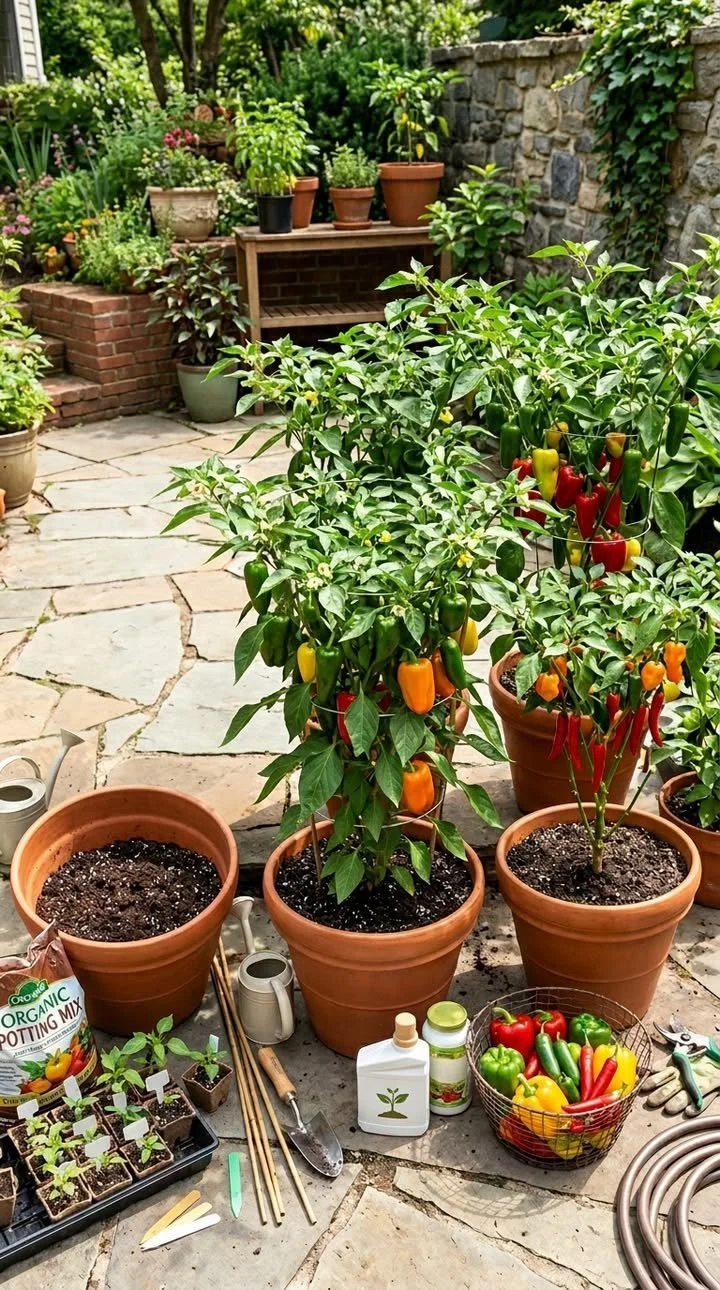
For peppers to flourish, they need deep, well-draining pots. Look for containers that are at least 12–14 inches deep and wide—larger is better for more robust varieties. Here are some popular options to consider:
- Plastic Pots: Lightweight and retain moisture effectively, ideal for beginners.
- Clay or Terracotta Pots: Breathable pots that lend a rustic look, though they dry out faster.
- Fabric Grow Bags: Excellent for air pruning and promoting healthy root growth.
- Recycled Buckets or Tubs: A budget-friendly choice when drilled with drainage holes.
Best Pepper Varieties for Pots
While almost any pepper variety can be grown in containers, some perform better than others. Here’s a list of compact or dwarf varieties that thrive in pots:
- Bell Peppers: ‘Mini Belle’, ‘California Wonder’
- Chili Peppers: ‘Cayenne’, ‘Thai Hot’, ‘Jalapeño’
- Ornamental Peppers: ‘Numex Twilight’, ‘Black Pearl’
- Sweet Peppers: ‘Banana’, ‘Lunchbox Mix’
Choosing early and medium-sized varieties will generally yield better results in limited space.
Preparing the Pot and Soil
Opting for high-quality potting mix is crucial. It should be light, well-draining, and rich in organic matter. Avoid using garden soil alone, as it can become compacted and hinder root growth. A great nutrient-rich blend could consist of:
- 60% potting mix
- 30% compost or well-rotted manure
- 10% perlite or coco coir for aeration
Additionally, consider adding a balanced, slow-release fertilizer at planting time or mixing in bone meal or worm castings for that extra nutrient boost.
Planting Pepper Seedlings
If you’re starting from seed, sow indoors 6–8 weeks before the last expected frost—then carefully transplant outdoors once nighttime temperatures consistently remain above 15°C (59°F). Peppers love warmth and need full sun for at least 6-8 hours a day. Here’s how to plant them effectively:
- Fill the container with your chosen potting mix, leaving about 1–2 inches from the rim.
- Dig a hole slightly larger than the root ball.
- Gently place the seedling into the hole, firm the soil around it, and water thoroughly.
Space one plant per pot unless you’re using an extra-large container.
Care and Maintenance
Watering
It’s crucial to keep the soil evenly moist but never waterlogged. Water your peppers when the top inch of soil feels dry, and in hot weather, you may need to check daily as container plants tend to dry out faster than those in the ground.
Fertilizing
Feeding your peppers every 2–3 weeks with a liquid fertilizer high in potassium and phosphorus is essential, particularly during the flowering and fruiting stages.
Staking
For taller pepper plants, consider using small stakes or cages to support the plant and prevent any breakage.
Pruning
To encourage stronger root development, pinch off early flowers. Additionally, removing lower leaves can help improve air circulation and reduce disease risk.
Pest Control
Beware of common pests like aphids, spider mites, and whiteflies. Regularly inspect your plants and treat infestations with neem oil, insecticidal soap, or simply rinse them off with water.
Harvesting Your Peppers
Peppers can be harvested at different stages—green bell peppers can be picked early, or you can wait for them to ripen to their full color (red, yellow, or orange) for a sweeter flavor. For hot peppers, know that the longer you allow them to mature, the more intense their heat will become.
Use scissors or pruners to harvest your peppers to avoid damaging the plant; plus, regular harvesting encourages more fruit production.
Troubleshooting Common Problems
- Yellowing Leaves: Often a sign of overwatering or poor drainage.
- Blossom End Rot: Commonly caused by calcium deficiencies or inconsistent watering.
- Stunted Growth: Typically results from cold temperatures or nutrient-poor soil.
To avoid these issues, maintain consistent moisture levels, provide full sun, and ensure your soil is nutrient-rich.
Final Thoughts
Growing peppers in containers is an incredibly rewarding and productive way to enjoy fresh produce—even in a small-space garden. With the right care, a few pots can yield a bountiful harvest throughout the season. Choose appropriate varieties, maintain warmth and moisture, and soon enough, you’ll be enjoying the freshest peppers right from your patio or balcony. Whether you’re seeking mild sweet peppers or adventurous fiery chilis, container gardening delivers flavor, convenience, and pure satisfaction. Happy gardening!