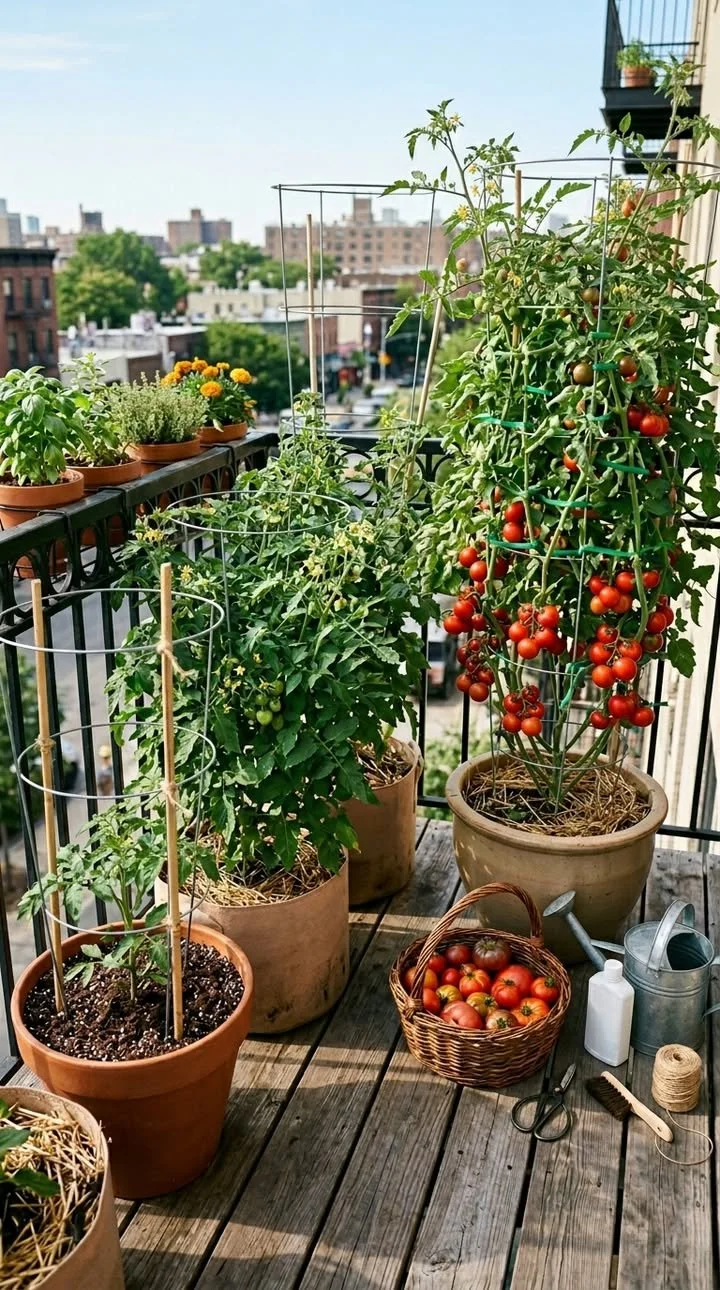
From Pot to Plate: How to Maximize Your Tomato Harvest from Containers
Growing tomatoes in containers is not just a trend; it’s a rewarding hobby that allows anyone—regardless of space—to enjoy the freshest homegrown produce. Whether you have a bustling balcony, a cozy patio, or just a sunny windowsill, getting started is straightforward. With a handful of pots, you can cultivate delicious tomatoes right in the comfort of your own home.
Tomatoes thrive in containers, and with a bit of TLC, you can achieve impressive yields. Picture this: one well-planted pot can provide a bounty ripe enough for salads, sandwiches, sauces, or straight-up snacking. It’s time to roll up your sleeves and dig into the essentials of growing tomatoes in pots!
Why Grow Tomatoes in Pots?
Here’s the beauty of container gardening: you don’t need a sprawling garden to enjoy the benefits of homegrown tomatoes. Let’s break down the perks:
- Space Efficiency: Perfect for urban dwellers or anyone lacking a dedicated garden bed. Ideal for small spaces.
- Mobility: Easily move your containers to chase the sun or protect them from heavy rain and wind.
- Soil Control: By using high-quality potting mix, you’ll avoid the issues that come with contaminated or poor-quality garden soil.
- Pest Management: Potted plants are simpler to monitor, making it easier to keep pests and diseases at bay.
With the right setup, container-grown tomatoes can rival their ground-grown counterparts!
Choosing the Right Container
Selecting the ideal container is crucial for your tomato plants to flourish:
- Size: Aim for a 5-gallon container per plant. Larger pots work wonders for fruiting varieties.
- Material: Whether it’s plastic, ceramic, clay, or even grow bags, just ensure your container has drainage holes.
- Drainage: Never compromise on drainage. Prevent root rot by always using pots equipped with holes. If not pre-drilled, do it yourself!
- Saucers: Consider placing a saucer under each pot to catch excess water, protecting your surfaces.
Soil and Fertilizer
Tomatoes are heavy feeders and prefer nutrient-rich, well-draining soil. Avoid using garden soil directly, as it can be too dense and may carry pests. Here’s a recommended potting mix:
- 2 parts quality potting soil
- 1 part compost
- 1 part perlite or coco coir (this enhances drainage and aeration)
At planting time, add a balanced slow-release fertilizer to kickstart growth. Once established, switch to a liquid tomato fertilizer every 10–14 days, especially during flowering and fruiting.
Best Tomato Varieties for Containers
While nearly any tomato can thrive in a pot, certain strains are particularly well-suited for compact spaces:
- Determinate (bush) varieties: These grow to a fixed size and produce all their fruit at once. Consider ‘Patio Princess,’ ‘Roma,’ or ‘Bush Early Girl.’
- Cherry and Grape Tomatoes: Compact and prolific, varieties like ‘Tiny Tim,’ ‘Balcony,’ or ‘Sweet Million’ are fabulous choices for containers.
- Dwarf Varieties: Specifically bred for container growth; they require minimal support.
Indeterminate (vining) types can also be grown but require larger pots, regular pruning, and sturdy supports.
Planting Steps
Follow these steps for successful planting:
- Fill your container with the prepared potting mix, leaving about 2 inches from the top.
- Plant the seedling deep—up to the first set of leaves. This encourages a robust root system.
- Water thoroughly after planting.
- Insert a stake, trellis, or tomato cage right away to avoid disturbing the roots later.
- Position your pots where they’ll receive at least 6–8 hours of direct sunlight daily.
Ongoing Care
Depending on your local climate, containers can dry out faster, so established care is essential:
- Watering: Check daily and water when the top inch of soil feels dry, especially in hotter months.
- Mulching: Add a layer of straw or shredded leaves on top to conserve moisture.
- Pruning: For indeterminate varieties, remove suckers to boost airflow and optimize fruit production.
- Support: As your tomatoes grow, tie them to their support to keep them up and productive.
Pay attention to nutrient deficiencies (e.g., yellowing leaves, small fruit) and adjust fertilization as necessary.
Pollination and Flowering
Tomatoes are self-pollinating, but in tight spots like indoor environments, help them along by gently shaking the plant or using a small brush to move pollen between flowers. Consistent watering and feeding are critical during the flowering phase to ensure healthy fruit development.
Harvesting
It’s thrilling to pick your own harvest! Tomatoes are ready to be plucked when they’ve reached full color and have a slight softness when touched. For cherry varieties, be ready to harvest a mere few weeks after flowering, while larger varieties might take a bit longer.
Regular harvesting not only provides fresh fruit but also encourages more blooms. Using a gentle twist or scissors ensures you don’t harm the plant.
Common Issues and Solutions
Even healthy plants can run into trouble. Here’s how to address common issues:
- Blossom End Rot: Caused by calcium deficiency and inconsistent watering. Maintain regular moisture levels and enrich the soil with calcium-rich fertilizers.
- Cracked Fruit: Often due to erratic watering—aim for a steady moisture level to prevent this.
- Pests: Aphids or whiteflies? Wash them off with water or treat them with insecticidal soap.
With proper care, your container-grown tomatoes can flourish!
Final Thoughts
Starting a container tomato garden is a fantastic choice for anyone with a passion for fresh food but limited space. With a sunny spot, the right containers, and a commitment to care, you can enjoy juicy, flavorful tomatoes from your own pot to your plate. Whether you’re a novice or a seasoned gardener, growing tomatoes in containers is not only practical but also incredibly rewarding. Dive into this joyful journey today and savor the goodness of homegrown tomatoes right from your own yard!