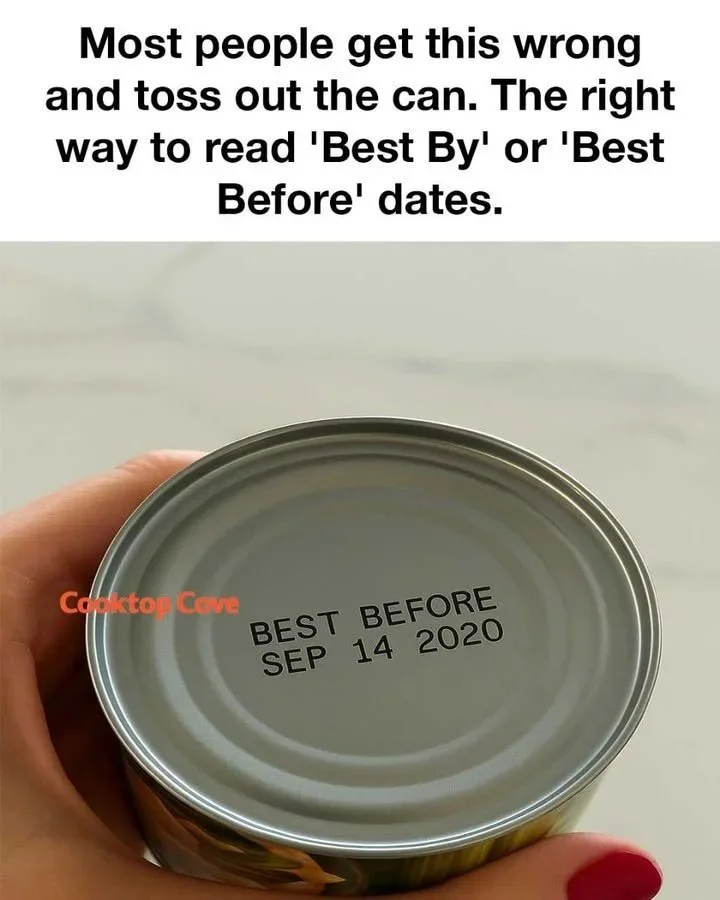
How to Read Best By and Best Before Dates
Have you ever stood in front of your pantry, peering at a can of soup that’s just past its “Best By” date, wondering if it’s safe to eat? You’re definitely not alone! Many people mistakenly toss out perfectly good food simply because they misinterpret these dates. In today’s world, understanding how to read "Best By" and "Best Before" dates can make a measurable difference—not only for our budget but also for reducing food waste.
These dates are often misunderstood, leading to a culture of unnecessary food disposal. With just a bit of knowledge, we can learn to distinguish between quality and safety, ensuring that we make better decisions about the food we consume. Let’s dive into how to interpret these labels, so you can give that can of soup an honest second chance!
Why You’ll Love This Recipe
- Clears up confusion surrounding food date labels.
- Helps prevent unnecessary food waste.
- Saves you money by allowing you to use food beyond the date.
- Encourages better shopping habits and pantry management.
- Empowers you to trust your senses when evaluating food.
- Simplifies meal planning by using all the food you have.
- Offers peace of mind in uncertain food situations.
Before You Start
- Keep your pantry organized to easily locate items and check expiration dates.
- Grab a notepad to jot down what items you may want to use up soon.
- Make sure you have your senses ready—be prepared to smell and visually inspect your food items.
- Gather any additional resources like a food safety guide if you’re more comfortable with detailed information.
Ingredients
While you’re exploring the nuances of food labeling, here are some practical considerations:
- Canned Goods (e.g., beans, soup): Check for “Best By” or “Best Before” dates. Use these dates as guidelines for quality, not necessarily safety.
- Dry Foods (e.g., pasta, rice): Similarly label these items. They may be fine to consume beyond their labeled dates if they show no signs of spoilage.
- Perishable Items (e.g., dairy, meat): These typically have more stringent safety guidelines, but using your senses can effectively guide your choices.
Step-by-Step Instructions
Check the Label: Examine the packaging of your food items for the date. Look for “Best By” or “Best Before” statements—these usually appear on the bottom or side of the container.
Understand the Meaning: Recognize that “Best By” refers to peak quality, while “Best Before” does so as well. Both typically imply that the food is still consumable beyond the listed date, though it may not be at its best flavor or texture.
Assess Quality: If your item is past the labeled date, engage your senses. Start with a sniff—if it smells off, it’s time to toss. Visually inspect it for discoloration or an unusual texture.
Perform a Taste Test: If it passes the smell and visual checks, consider doing a small taste test. Only take a tiny bite; if it tastes fine, then it is likely still good to eat.
Decide Wisely: If everything checks out, plan to use it soon. The item may still be safe, but its quality could deteriorate quickly after the date listed.
Expert Tips
- Store Food Properly: Keep your pantry organized with older items at the front.
- First In, First Out: Always consume older items before newer arrivals.
- Label Things Yourself: If you’re transferring food to different containers, date them for your own reference.
- Trust Your Gut: If you suspect a food item is not right, it’s better to err on the side of caution.
- Know the difference in food types: Understand that dried goods may last longer than dairy or meat products.
- Use a Colorful Mark: For items that are almost due, put a bright sticky note on them to remind you.
- Ask Questions: If you’re uncertain, don’t hesitate to ask someone knowledgeable, like your local store staff or a food safety expert.
Easy Variations
- Homemade Labeling System: Create your own date labels for items when you open or cook them to track freshness.
- Utilize Apps: Use food inventory apps that help you keep track of expiration dates and notify you when items are near their due dates.
- Community Resources: Explore community fridges or sharing programs to give away items you can’t use.
- Participate in Local Food Drives: Donate items nearing their dates when possible.
- Education: Attend local classes or webinars on food safety and waste reduction.
What to Serve With It
- Consider pairing your finally-cooked meal with a simple side salad to balance out flavors and add fresh textures.
- A crusty loaf of bread complements canned soups or stews beautifully.
- Serve alongside rice or pasta for a complete, filling meal.
Storage
- Refrigerating: For opened items, make sure to store them in airtight containers to extend their life.
- Freezing: If you find yourself with extra food that you won’t use soon, freeze it for later meals.
- Thawing: Always thaw frozen foods in the refrigerator rather than at room temperature to prevent bacterial growth.
- Reheating: Ensure that you’re reheating foods to a safe internal temperature of 165°F.
Frequently Asked Questions
Can I eat food past the ‘Best By’ date?
Yes, it’s generally safe as long as it looks, smells, and tastes fine.What if a can is dented but hasn’t expired?
Inspect it closely; if it’s swollen or leaking, it’s best to discard it.How long after a ‘Best Before’ date can I use food?
Many items are good for weeks or even months past their date if properly stored.What about frozen foods?
They can last long after their date as long as they were kept frozen solid.Are there differences in food types?
Yes, perishable items have stricter timelines than dry goods.Is there a definitive way to tell if food is bad?
If it smells or looks unusual, it’s often best to avoid consuming it.What is the best way to store dried goods?
Keep them in a cool, dry place in a tightly sealed container.Can I trust food dates from ethnic markets?
Yes, but be sure to also use your senses as they might differ in preservation standards.
Final Thoughts
By understanding how to read “Best By” and “Best Before” dates, you’re taking significant steps toward smarter cooking and more sustainable living. Don’t rush to toss out items based solely on date labels—your wallet and the planet will thank you! Embrace the challenge of evaluating your food like a pro, and enjoy every morsel you’ve got in your kitchen!