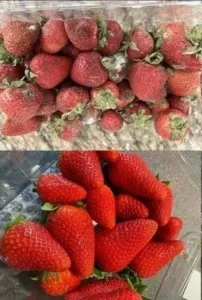
How to Keep Strawberries Fresh Longer: 7 Expert Tips to Prevent Mold and Spoilage
Strawberries are one of those delightful fruits that can instantly elevate your day—whether you’re enjoying them plain, adding them to a fruit salad, or using them in your favorite desserts. Their sweet, juicy, and vibrant nature makes them a go-to summer treat. However, anyone who has bought a pint knows the disappointment of finding fuzzy mold just a couple of days later. Thankfully, with the right handling and storage techniques, you can keep your strawberries fresh for longer, enjoying their flavor without the worry of spoilage. Here’s how to keep strawberries fresh and delicious with my seven expert tips!
Why You’ll Love This Recipe
- Easy-to-follow techniques that anyone can do.
- Prolongs the shelf life of your strawberries by several days.
- Keeps them juicy and mold-free for your sweet dishes.
- Requires common kitchen items you likely already have.
- Perfect for reducing food waste.
- Great for meal prep since strawberries can be enjoyed in various recipes.
- Ideal for preserving strawberries for smoothies or desserts later.
Before You Start
- Gather your strawberries from a reliable source, ensuring they’re fresh and free from blemishes.
- Prepare a shallow container lined with paper towels for optimal storage.
- Have a mix of one part white vinegar to three parts water ready for a quick soak, if you choose that method.
- Consider using the crisper drawer of your refrigerator, as it’s the ideal spot for maintaining humidity.
- Make sure to remove any spoiled berries daily to keep the rest fresh.
Ingredients
- Fresh strawberries (1 pint)
- Look for berries that are bright red and plump with no signs of mold or bruising.
- Avoid water on the strawberries until you are ready to eat them to prevent premature spoilage.
Step-by-Step Instructions
Inspect Your Strawberries: Start by visually scanning your pint of strawberries. Remove any that are soft, moldy, or bruised. Even just one spoiled berry can lead to mold spreading to the others.
Wash Right Before Eating: It’s best not to wash strawberries until you’re ready to use them. Excess moisture can speed up spoilage. If you do choose to wash them ahead of time, rinse under cold water and a splash of vinegar, then dry them thoroughly.
Choose the Right Storage Container: Transfer your unwashed strawberries into a dry, shallow container lined with paper towels. This will absorb excess moisture and allow for better airflow.
Refrigerate: Place your container in the crisper drawer of your fridge at a temperature between 32°F and 36°F. Keep strawberries away from any cold spots in the fridge to avoid freezing.
Freezing for Longer Storage: If you can’t finish all your strawberries in a week, consider freezing them. Wash, dry, and stem the strawberries, then lay them out in a single layer on a baking sheet and freeze until solid. Transfer to a freezer-safe bag or container. This way, they’re perfect for smoothies and sauces for up to six months.
Keep Them Whole Until Use: It’s best to leave the strawberries whole until you’re ready to enjoy them. Slicing leads to juice release, inviting mold.
Daily Check-Up: Make it a habit to check your strawberries daily. Remove any spoiled berries immediately to prolong the freshness of the remaining fruit.
Optional Vinegar Soak: For an extra layer of protection, try soaking your strawberries in a vinegar solution. Mix one part vinegar to three parts water and soak for five minutes, then rinse under cold water, dry thoroughly, and store.
Expert Tips
- Airflow is Key: Choose containers that allow airflow—like shallow bowls—with optional ventilation.
- Avoid Ethylene Producers: Keep strawberries away from bananas and apples, which emit ethylene gas, speeding up spoilage.
- Do Not Seal in Plastic Bags: Bad moisture retention makes sealed plastic bags a no-go.
- Know When to Toss: A daily check can save your entire batch if you spot one bad berry early on.
- Reviving Limp Strawberries: If your strawberries start to wilt, a quick soak in ice water for 10 to 15 minutes can help revive them.
- Mix It Up with Recipes: Incorporate fresh strawberries in salads, desserts, or as toppings for yogurt and breakfast cereals.
- Temperature Matters: Keeping your fridge at a stable, cool temperature prevents freeze damage while slowing decay.
- Short-Cutting the Wash: If you’re in a hurry, skip washing until just before you plan to eat the strawberries.
Easy Variations
- Mix fresh strawberries with other berries for a delightful fruit salad.
- Use frozen strawberries to create flavorful smoothies.
- Incorporate them into homemade jams or jellies for a sweet spread.
- Top a pavlova with whipped cream and strawberries for an elegant dessert.
- Create strawberry-infused water by adding slices to a pitcher.
- Bake strawberries into muffins for a sweet breakfast treat.
- Use them as a topping on pancakes for a delicious weekend brunch.
What to Serve With It
Pair your strawberries with whipped cream or dark chocolate for an indulgent dessert. They’re also fantastic when tossed into spinach salads with goat cheese and walnuts, or served alongside grilled meats for a refreshing contrast. You can enjoy them with a side of Greek yogurt for breakfast or blended into smoothies to start your day right.
Storage
- Refrigerating: Store in the fridge as mentioned, ideally in the crisper drawer. They should last up to a week with proper care.
- Freezing: Once frozen, transfer the strawberries to a freezer-safe container. They’ll maintain quality for up to six months.
- Thawing: If you’re using frozen strawberries, let them thaw in the fridge or use them directly from the freezer in smoothies.
Frequently Asked Questions
How can I tell if strawberries are fresh?
Look for bright red color, firm texture, and no mold.Can I wash strawberries in advance?
It’s better to wash just before eating to prevent excess moisture.What’s the best temperature for storing strawberries?
Aim for 32°F to 36°F in your fridge.How long do strawberries typically last?
Under proper refrigeration, they can last between 5 to 7 days.Can I freeze strawberries without washing them?
Always wash and dry them before freezing for the best results.What to do if my strawberries are wilting?
Soak them in ice water to revive their texture.Should I remove the stems before freezing?
Yes, remove the stems, but leave them whole until ready to use.Are there special containers for storing strawberries?
Choose shallow, vented containers or use paper towels to help absorb moisture.
Final Thoughts
Keeping strawberries fresh for longer is all about simple practices that anyone can adopt. By following these tips, you can savor their sweet and juicy goodness without the worry of spoilage. So go ahead and enjoy strawberries in all your favorite ways—happy cooking!