Smart Food Storage Tips to Keep Food Fresh
Keeping food fresh can be a challenge, especially with the fast-paced lives we lead. Whether you’re a busy parent, a working professional, or someone who simply values good food, the last thing you want is to waste precious groceries. Imagine opening your fridge to discover your favorite produce is wilted or your leftovers are spoiled! Not only does this lead to frustration, but it also impacts your budget. Luckily, there are smart food storage tips that can help maintain the freshness of your food and save you money in the long run.
Why This Works
Understanding how to store food properly can significantly extend its shelf life. The science behind food storage revolves around minimizing exposure to air, light, moisture, and contamination. By using some simple techniques, you can create an environment that slows down spoilage and keeps your food tasting its best for longer.
Smart Food Storage Tips
1. Know the Right Temperature
Different foods thrive at different temperatures. Generally, your refrigerator should be set at or below 40°F (4°C). This cold environment halts the growth of bacteria and preserves your perishable items. Use a thermometer to check that your fridge is running at the optimal temperature.
2. Use Airtight Containers
Investing in good-quality airtight containers can work wonders. These containers prevent oxidation and help keep moisture levels balanced. Store dry goods like grains, pasta, or snacks in airtight jars to keep them fresh and free from pests.
3. Separate Ethylene Producing Foods
Some fruits, like apples and bananas, release ethylene gas, which can speed up the ripening process of nearby fruits and vegetables. Keep ethylene producers separate from sensitive items like leafy greens to prolong their freshness.
4. Freeze to Extend Shelf Life
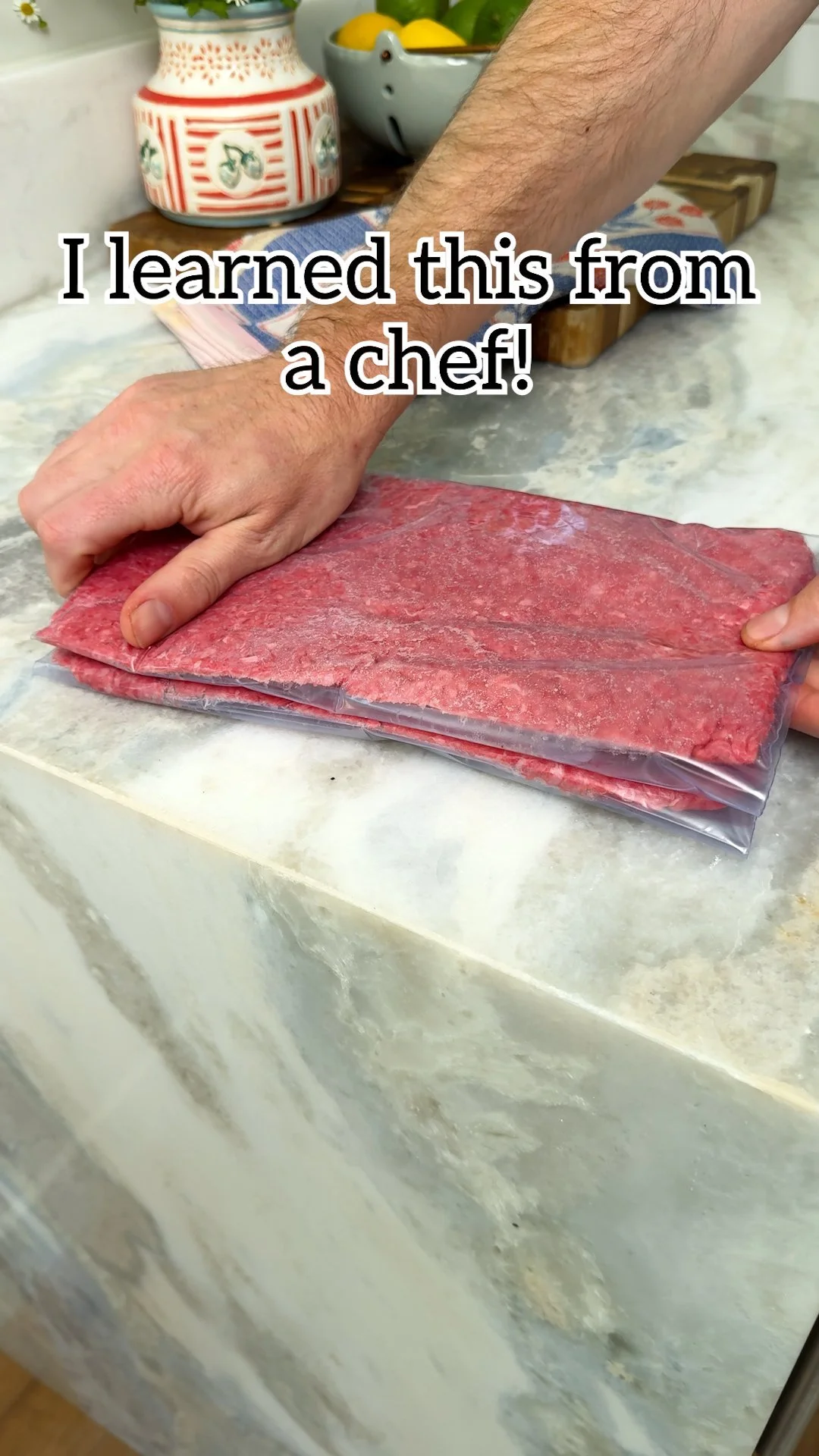
If you notice that you won’t be able to consume certain foods before they spoil, consider freezing them. Items like bread, meat, and most vegetables can be frozen for later use. For best results, make sure to package items in airtight bags or containers and label them with dates.
5. Use the Crisper Drawers
Most refrigerators come with crisper drawers designed specifically for fruits and vegetables. These drawers help maintain optimal humidity levels, adding to the freshness of your produce. Keep fruits in one drawer and vegetables in another for ideal storage conditions.
6. Store Leftovers Properly
To maximize the life of your leftovers, store them in airtight containers, and be sure to cool them to room temperature before sealing. Additionally, remember to label them with the date they were made so that you know when to consume them.
7. Avoid Overpacking Your Fridge
Crowding your fridge can restrict airflow, causing uneven temperatures throughout. Give each item enough space to breathe and ensure that cool air circulates effectively. This simple adjustment can help your food stay fresh longer.
8. Keep Herbs Fresh with Water
Fresh herbs can be particularly finicky. To keep them fresher for longer, treat them like flowers! Trim the stems and place them in a jar with a little water, covering them loosely with a plastic bag. Store them in the fridge for freshness that lasts.
Step-by-Step Guide to Fresh Food Storage
- Assess what you have. Take inventory of your food and take note of items that spoil quickly.
- Clean your fridge. Remove expired or unwanted items and wipe down surfaces.
- Organize your storage solutions. Use bins or shelves to categorize foods by their type or use.
- Implement the tips above. Apply the discussed strategies according to the specific needs of your food.
- Monitor regularly. Check on your stored items and make adjustments as needed.
Expected Results
By implementing these smart food storage tips, you can expect to see a noticeable improvement in your food’s longevity and quality. Enjoy the satisfaction of opening your fridge to vibrant, fresh ingredients, and ultimately, save money by reducing waste.
Extra Tips
- Know Your Produce: Familiarize yourself with which fruits and vegetables should be stored in the fridge versus on the countertop.
- Check Dates: Always pay attention to "use by" and "best by" dates. Rotate your food to use the oldest items first.
- Invest in a Vacuum Sealer: This can greatly extend the life of foods, particularly meats and bulk items.
Conclusion
Food storage doesn’t have to be a daunting task! With these smart tips, you can keep your groceries fresh and make mealtime enjoyable again. Start today, and witness how these small changes can have a massive impact. Remember, a little care goes a long way in making your food last longer, saving you time and money in the process. Enjoy your fresh, delicious food!