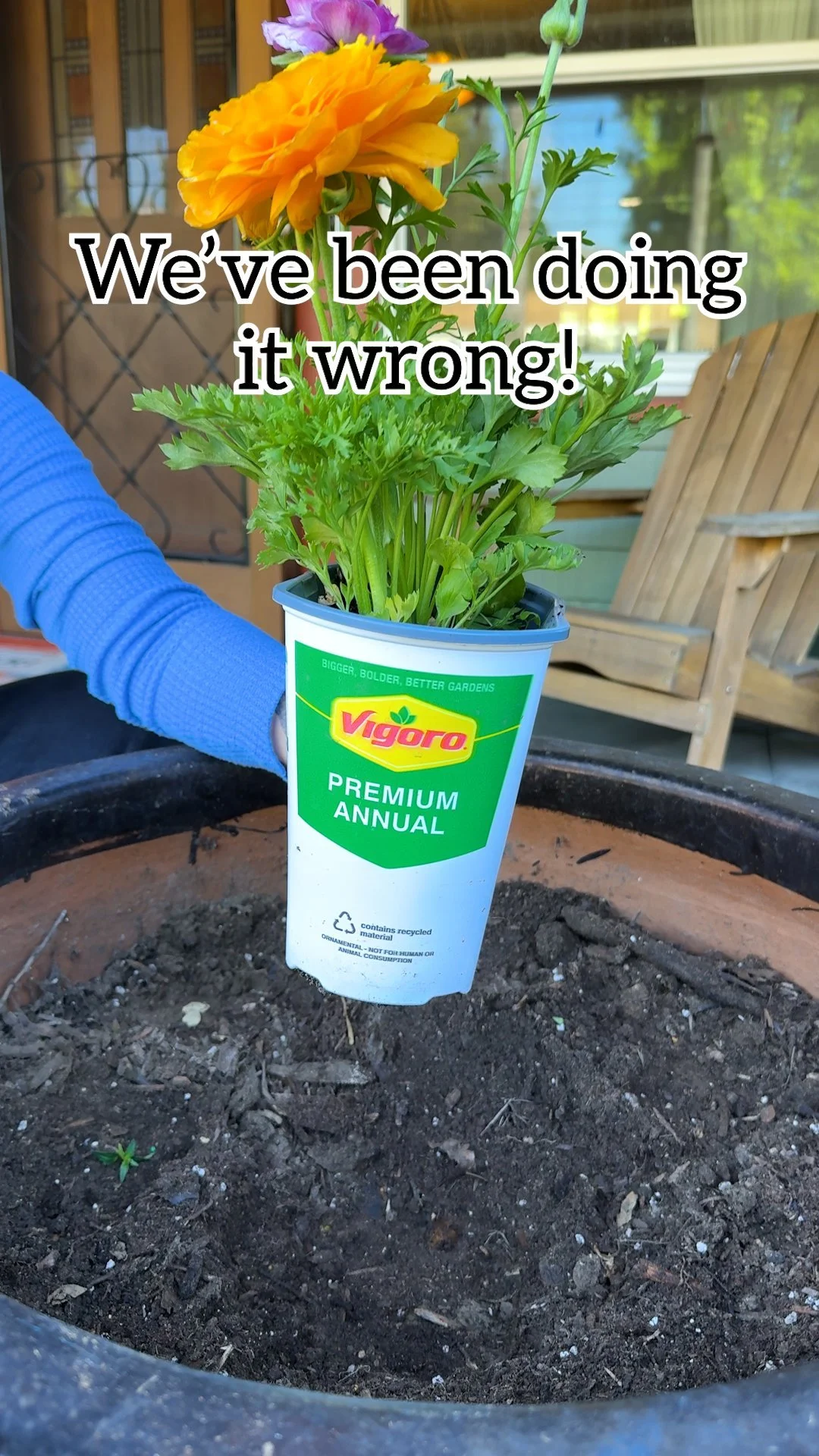
The Easiest Way to Plant Flowers: Achieve Perfect Spacing with Packaging
Planting flowers can be both an exciting and daunting task, especially if you’ve ever struggled with spacing. Have you ever stood in your garden, unsure of how far apart to plant each flower to achieve that perfect, blooming bliss? The good news is that you’re not alone in grappling with this question. Luckily, there’s a surprisingly simple approach to ensuring your flowers are spaced perfectly, and it involves something you might already have at home—packaging materials.
Why This Works
Using packaging as a spacing guide is a game-changer for gardeners. It seems almost too simple, but the concept leverages what’s readily available to us while ensuring a consistent look and healthier growth for your flowers. Different flower species require different amounts of space for optimal growth, and using packaging can take the guesswork out of the equation. With a little planning, you can use materials like cardboard, plastic containers, or even egg cartons to help you maintain the ideal distances.
Main Content
Here’s how you can make planting flowers easier and more effective with the packaging method:
Step 1: Gather Your Materials
Before you start digging, collect some items that you can use as guides for spacing your flowers. Popular choices include:
- Cardboard boxes: Cut into squares or rectangles, these can help gauge spacing effectively.
- Plastic containers: Use containers like yogurt cups or small deli containers to create uniform spacing.
- Egg cartons: These can be a fun way to plant small flower seeds or seedlings while ensuring proper spacing.
Step 2: Prepare Your Planting Area
Clear the area where you want to plant flowers. Ensure the soil is loose and enriched with compost or fertilizer, which will nourish the plants as they grow.
Step 3: Mark Your Spacing
Now it’s time to set the framework for your flower bed. Use your packaging materials to create boundaries or visual markers. For example:
- Cardboard squares: Lay them out in the pattern you envision for your flower bed. Leave enough space between each square to accommodate the mature plant size.
- Plastic containers: Place them on the ground where you want each flower to go. This will help you visualize where to plant and how far apart they should be.
Step 4: Plant Your Flowers
Once your markers are in place, it’s time to plant! Remove the packaging, dig small holes in the ground where the markers were located, and carefully place your flowers or seeds into the soil. Be sure to follow the specific planting directions for each type of flower regarding depth and care.
Step 5: Water and Care
After planting, water your flowers deeply to help establish their roots. Keep the area free of weeds and mulch if necessary to retain moisture and stop competing plants from crowding your flowers.
Expected Results
By using packaging as a spacing tool, you can achieve a beautifully organized flower bed that not only looks impressive but promotes healthier plant growth. Expect to see vibrant blooms thriving in their designated spots, leading to a garden bursting with color and life.
Extra Tips
- Rotate Your Flowers: If you’re planting perennial flowers, consider rotating their location each year to help with soil health and to provide different visual arrangements.
- Use Visual Guides: Before planting, look online or in gardening books for visual guides specific to the flowers you are planting. Knowing how they grow can take your garden from good to great.
- Experiment: Don’t be afraid to change up your approach if something doesn’t feel right. Gardening is often about experimenting and seeing what works best.
Conclusion
Planting flowers shouldn’t be a stressful chore. With the packaging method, you can achieve perfect spacing effortlessly, enjoy your gardening experience, and watch your flowers flourish. So gather your materials and get ready to create a beautiful floral display that not only satisfies your eye but also your gardening spirit. Happy planting!