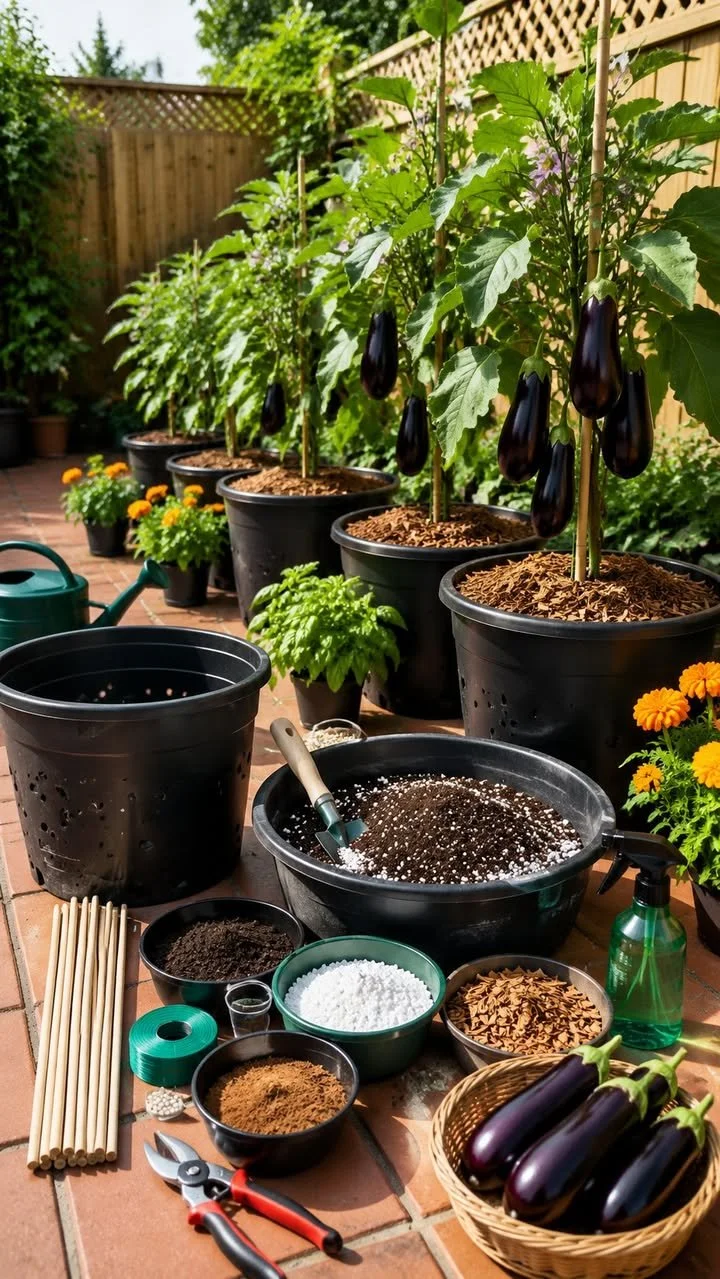
Eggplant Gardening in Pots: Tips for Success
Eggplants are among the most rewarding vegetables to grow at home, especially when space is limited. With the right care, you can cultivate healthy, productive eggplant plants even in small patios, balconies, or windowsills. Container gardening allows you to control the growing environment, reduce pest issues, and enjoy a continuous supply of fresh, homegrown eggplants.
Here’s a complete guide to growing eggplants in pots for beginners and experienced gardeners alike.
Why Choose Containers for Eggplants?
Container gardening offers flexibility and control. For eggplants, which require warmth, good soil drainage, and consistent moisture, pots provide the ideal environment. Whether you live in an apartment or want to save garden space, pots make it easy to adjust placement for sunlight, protect plants from pests, and move them indoors during extreme weather.
Eggplants also have striking foliage and purple blossoms, making them both edible and ornamental.
Best Varieties for Container Growing
Choose compact or dwarf varieties that adapt well to limited space. These include:
- ‘Fairy Tale’ – small, striped fruits, ideal for containers
- ‘Little Finger’ – slender fruits and compact growth
- ‘Patio Baby’ – very productive mini eggplant for pots
- ‘Ichiban’ – Japanese variety, slim and long fruit, grows well in large containers
These types mature quickly and don’t require heavy staking, making them perfect for pot culture.
Selecting the Right Container
Eggplants have deep roots, so they need a large, sturdy container to thrive:
- Size: Minimum 12–14 inches deep and wide (a 5-gallon pot is ideal)
- Material: Plastic retains moisture better; clay allows better airflow
- Drainage: Ensure the pot has multiple holes at the bottom to prevent waterlogging
For better air circulation and root development, avoid overcrowding. If growing more than one plant, use separate containers or very large planters.
Ideal Potting Mix
Eggplants love loose, nutrient-rich soil that retains moisture without becoming soggy. Use:
- A high-quality potting mix (not garden soil)
- Mix in compost or aged manure to boost organic content
- Add perlite or coconut coir for improved aeration and drainage
The soil pH should be between 5.5 and 6.8. A slow-release fertilizer can be added during soil preparation for sustained feeding.
Planting and Positioning
Eggplants are warm-season crops. Wait until temperatures consistently stay above 65°F (18°C) before planting outdoors.
- Planting Depth: Set transplants at the same depth as they were in their nursery pots.
- Spacing: If using a large pot for multiple plants, allow at least 18 inches between each.
- Sunlight: Place containers in a sunny spot—eggplants need at least 6–8 hours of direct sunlight daily.
If you’re starting from seeds, begin indoors 6–8 weeks before the last frost. Transplant seedlings when they’re 6–8 inches tall.
Watering and Fertilizing
Consistent watering is crucial. Uneven moisture can cause blossom-end rot or bitter-tasting fruit.
- Water regularly, keeping the soil evenly moist—not soggy
- Water at the base to avoid fungal issues on leaves
- In hot weather, you may need to water daily, especially in smaller pots
Fertilize every two weeks with a balanced liquid fertilizer or one slightly higher in potassium to encourage fruiting. Alternatively, use organic options like compost tea or fish emulsion.
Supporting Your Plants
Even compact eggplant varieties can become heavy with fruit. Use stakes or small cages to prevent branches from bending or breaking under the weight. Tie stems gently with soft garden ties to avoid damage.
Mulching with straw, shredded leaves, or grass clippings on the soil surface can help retain moisture and suppress weeds.
Pest and Disease Management
Growing eggplants in pots reduces the risk of soil-borne diseases, but a few issues may still arise:
- Aphids and spider mites can be deterred with neem oil or insecticidal soap.
- Flea beetles, which chew small holes in leaves, can be repelled with row covers or companion planting (e.g., basil or marigolds).
- Ensure proper air circulation to avoid fungal diseases like powdery mildew.
- Inspect plants regularly to catch problems early.
Harvesting
Eggplants are ready to harvest when the skin is glossy and firm. Dull, wrinkled skins indicate over-maturity and tougher flesh.
- Use pruning shears or a knife to cut the fruit, leaving a short stem.
- Regular harvesting encourages continued production.
- Smaller eggplants tend to have better flavor and fewer seeds.
Depending on the variety, you can expect your first harvest 60–80 days after transplanting.
Final Tips
- Rotate the pots every few days if sunlight is uneven to promote uniform growth.
- Use a saucer or tray under pots to catch drainage and prevent staining surfaces.
- Clean pots between growing seasons to remove pathogens.
With the right pot, soil, and care, eggplants can flourish in containers just as well as in garden beds. The joy of picking a fresh, plump eggplant from your own patio not only enhances your cooking but also deepens your connection to the food you eat. Whether you’re new to gardening or simply short on space, eggplant container gardening offers a flavorful and fulfilling experience.