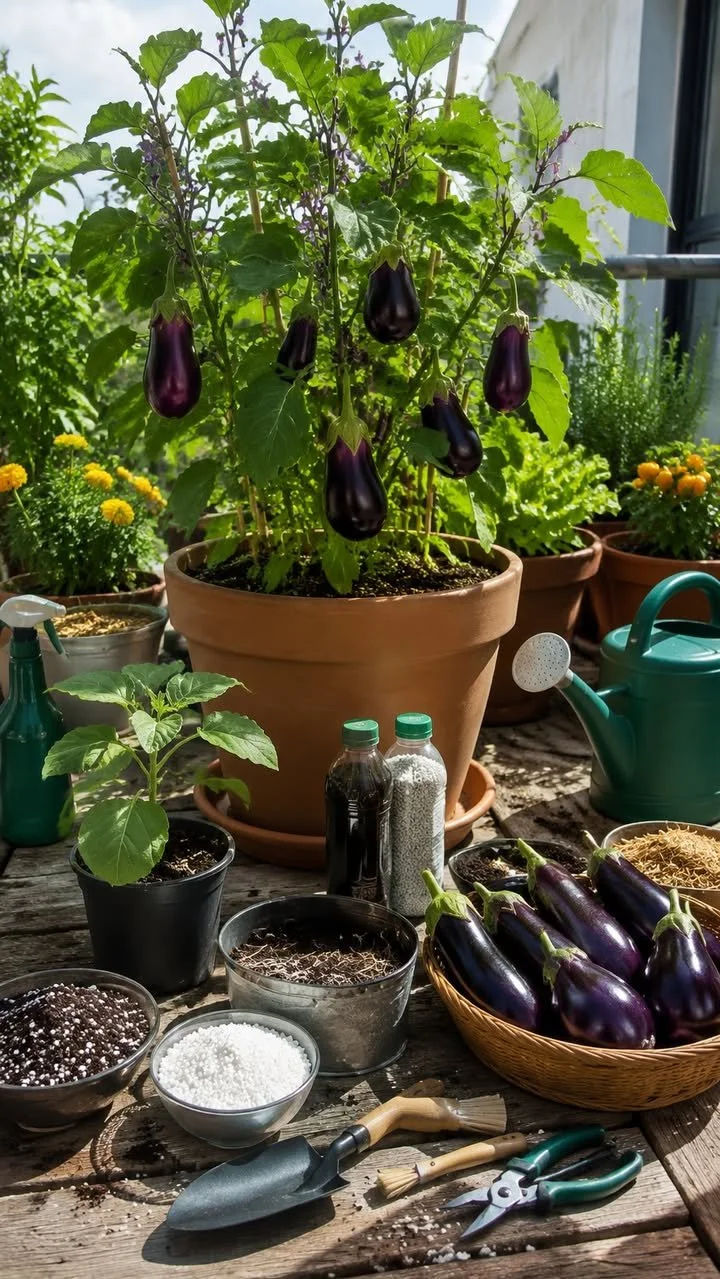
Thriving Eggplants in Your Favorite Pot: The Ultimate Guide
Are you tired of lackluster vegetables from the grocery store? Do you crave the satisfaction of home-grown produce? If you’ve ever thought about growing your own eggplants but felt overwhelmed, you’re not alone. But fear not—growing thriving eggplants in your favorite pot is not only possible, but it can be easy and rewarding! Dive into this complete guide and discover the secrets for successful pot-grown eggplants that can transform your gardening experience!
Why This Works
Growing vegetables in pots offers several advantages. Firstly, it allows for greater control over the environment, like soil quality and sunlight exposure. Secondly, it’s an excellent solution for those with limited gardening space, whether you have a balcony, patio, or small yard. Eggplants particularly thrive in containers because they can adapt well to restricted root space, given that they receive ample nutrients and water. Plus, isn’t it delightful to have fresh vegetables right at your doorstep?
The Ultimate Guide to Thriving Eggplants in Your Favorite Pot
1. Choosing the Right Pot
Selecting the right pot is crucial for your eggplant’s success. Here’s what to consider:
- Size: Choose a pot that is at least 5 gallons. Eggplants have deep roots, and a larger pot will allow for better growth.
- Material: Clay, ceramic, and plastic pots all work well, but ensure that they have drainage holes to prevent waterlogging.
- Weight: Consider the weight of the pot, especially if you plan to move it around.
2. Selecting the Perfect Soil
Eggplants require nutrient-rich soil to thrive. Here’s how you can prepare the best mix:
- Base Mix: Use good-quality potting soil; it should be light and formulated for vegetables.
- Enhancements: Add compost or well-rotted manure to boost nutrients. A handful of perlite or vermiculite can improve drainage and aeration.
- pH Level: Aim for a soil pH of around 6.0 to 6.8 to ensure optimal nutrient availability.
3. Choosing the Right Eggplant Varieties
Not all eggplants are created equal! Here are some of the best varieties for pot growing:
- ‘Baby Blue’: These small, vibrant purple fruits are perfect for small spaces and look adorable in pots.
- ‘Imperial’: This variety produces fruit quickly, making it great for beginner gardeners.
- ‘Fairy Tale’: Known for its stunning striped appearance, this eggplant is compact and perfect for containers.
4. Planting Your Eggplants
When it comes to planting, timing is essential:
- Timing: Start your seeds indoors, about 8-10 weeks before the last frost date in your area, or purchase young plants from a nursery.
- Spacing: If you’re planting multiple eggplants, ensure there is at least 2-3 feet of space between them for good air circulation.
Planting Steps:
- Fill your pot with the prepared soil mix.
- Dig a small hole about 1 inch deep for each seed or transplant.
- Place the seed or transplant into the hole and cover it lightly with soil.
- Water gently but thoroughly.
5. Caring for Your Eggplants
Once your eggplants are planted, proper care will ensure success:
- Sunlight: Eggplants love warmth and sunlight. Place your pot in a spot that receives at least 6-8 hours of full sun daily.
- Watering: Keep the soil consistently moist, but avoid waterlogging. Check regularly, especially in hot weather.
- Fertilizing: Use a balanced, slow-release fertilizer every 4-6 weeks to promote healthy growth and fruit production.
6. Dealing with Pests and Diseases
Eggplants can be susceptible to pests like aphids and spider mites. Here are simple remedies:
- Natural Predators: Introduce beneficial insects like ladybugs to help control pests.
- Neem Oil: As a natural pesticide, neem oil can deter pests without harming the plants.
- Regular Inspection: Check your plants frequently for signs of trouble.
Expected Results
With attention and care, you can look forward to vibrant, juicy eggplants ready for harvest in about 70-80 days from planting. Your effort will yield delicious fruits that can be used in diverse recipes, from stir-fries to ratatouille. Plus, there’s a sense of pride that comes with growing your own food—nothing tastes better than a home-grown meal!
Extra Tips for Success
- Rotate Your Crops: If you plan to grow eggplants year after year, consider rotating their location to prevent soil depletion and pest buildup.
- Mulching: Apply a layer of mulch to keep the soil moist and regulate temperature.
- Pruning: Trim excess foliage to direct energy to fruit production and improve airflow around the plants.
Conclusion
Growing eggplants in pots can be a delightful and rewarding endeavor. By choosing the right pot, soil, and variety, along with optimal care, you’ll be well on your way to a bountiful harvest. Enjoy the process and take pride in your home-grown produce. Happy gardening! 🌱🍆