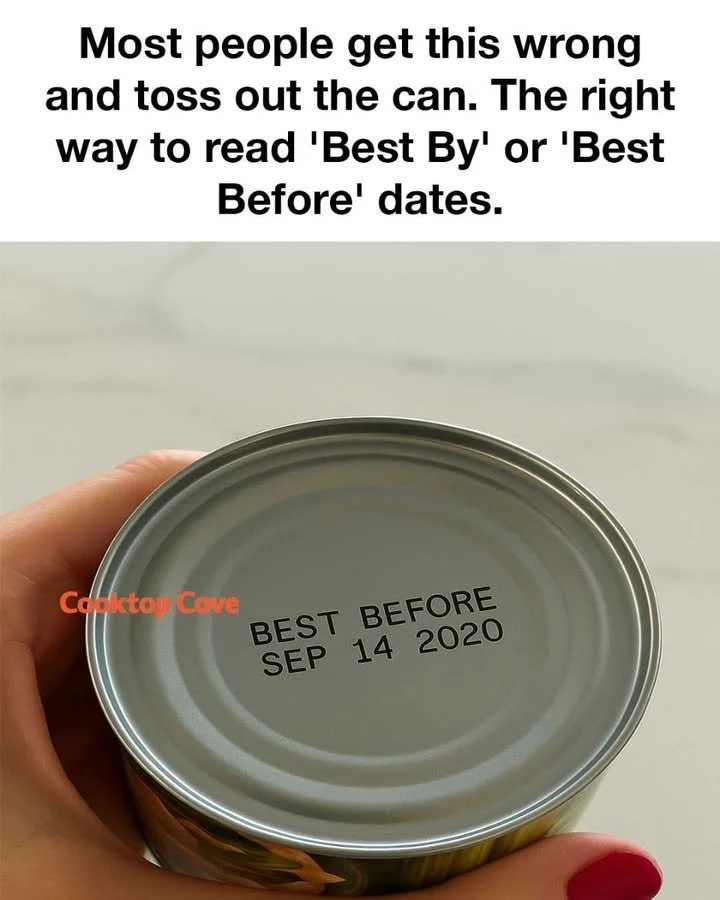
How to Read Best By and Best Before Dates
Understanding food labels can be a maze, and if you’ve ever found yourself staring at a package with a perplexed expression, you’re not alone. Many of us face the same dilemma when encountering terms like "Best By" and "Best Before." What do these phrases really mean, and how do they affect the food we eat? In this article, we’ll unravel the mystery behind these important dates and help you make informed decisions that can keep your meals safe and enjoyable.
Why This Works
Recognizing the difference between these terms is crucial for food safety and waste reduction. Misinterpreting these dates can lead to unnecessary food waste or, worse, foodborne illness. With proper understanding, you can save money, support sustainability efforts, and ensure you’re consuming the best quality products.
Understanding the Terms
Best By Date
The "Best By" date is all about taste and quality. This date indicates when a product is expected to be at its peak freshness. Consuming a product past this date typically won’t harm you, but the flavor or texture may not be as good. Foods like snack items, cereals, and condiments often feature this date.
Best Before Date
The "Best Before" date is quite similar, but it can sometimes be used interchangeably with "Best By." However, it often takes on a more standard meaning, signaling when the food should be consumed to ensure optimal quality. After this date, the product could still be safe to eat, but it might not deliver the same quality experience.
Expiration Date
It’s essential not to confuse these with an expiration date. An expiration date indicates the last day a product is safe to eat. Consuming items past their expiration can lead to health risks, especially with perishables like dairy and meat.
Step-by-Step Guide: How to Use These Dates Effectively
- Examine the Label: Always check the packaging to see which type of date you’re looking at.
- Understand Your Product: Know the difference between fresh products, frozen goods, and shelf-stable items. Fresh products often have shorter shelf lives.
- Use Your Senses: If a product is past its "Best By" or "Best Before" date, do a quick inspection. Check for off smells, discoloration, or other visible signs of spoilage.
- Store Properly: Follow storage recommendations on the label. Proper storage can extend the product’s lifespan.
- Educate Yourself: Look up shelf life for common foods to better understand their longevity.
Expected Results
By following these guidelines, you’ll gain confidence in interpreting food labels, leading to smarter grocery shopping and meal preparation. You’ll reduce waste by making informed decisions, which benefits both your wallet and the planet. Plus, your meals will taste fresher, knowing you’ve chosen the right products!
Extra Tips
- Keep Track of Inventory: Use a dedicated shelf in your pantry for older items to ensure they are used first.
- Freeze When Possible: If you have items approaching their dates, consider freezing them to extend their lifespan.
- Educate Others: Share your newfound knowledge with friends and family to promote safe food practices in your community.
Conclusion
Understanding food labels and the meanings behind "Best By" and "Best Before" dates is essential for making informed food choices. With these insights, you can ensure your food is both safe and delicious while reducing waste and saving money. Embrace the knowledge, and you’ll enjoy your meals with the confidence that comes from knowing how to interpret those crucial dates. Happy eating!