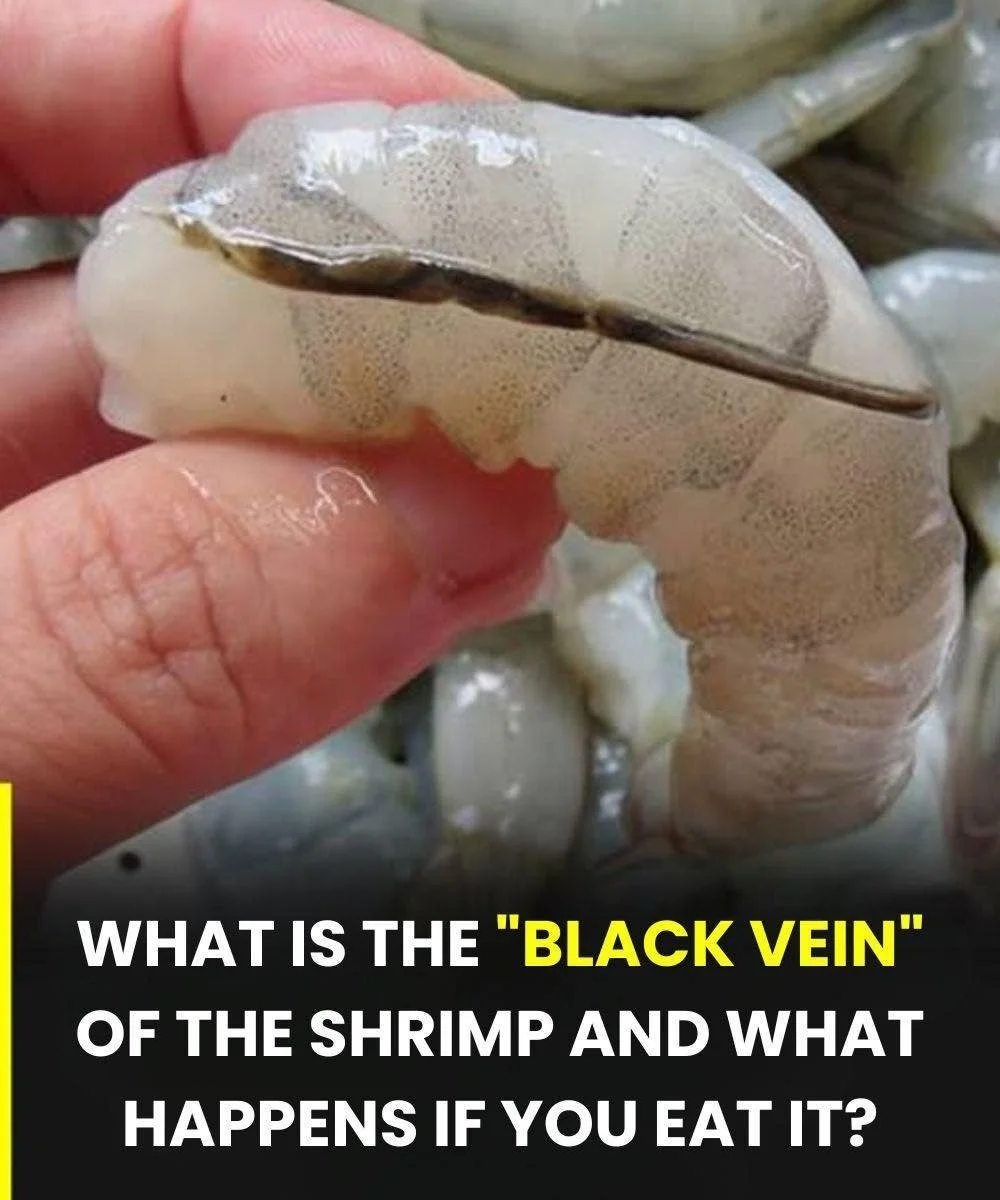
Shrimp Vein: The Culinary Detail Few Know and Many Discuss
When it comes to enjoying a delicious plate of shrimp, most of us focus on the flavor, how it’s cooked, and the delicious sauces that accompany it. But what about the fine details that can make or break your dining experience? One such detail is the infamous “shrimp vein.” You may have heard of it, but do you know what it really is and why it matters? Let’s dive into this culinary detail that many discuss, yet few truly understand.
Why This Works
Understanding the shrimp vein can transform the way you approach cooking and enjoying shrimp. It’s a detail that not only affects the presentation of your dish but also its flavor and texture. Knowing how to address the shrimp vein can enhance your culinary skills and impress your dinner guests. You’ll be surprised at how this simple knowledge can elevate your dish from ordinary to extraordinary.
What is the Shrimp Vein?
The shrimp vein, often referred to as the "dirty vein," is the digestive tract of the shrimp. It’s a thin, dark line running along its back. This tube, which holds the shrimp’s waste, can have a significant impact on the shrimp’s taste and texture. While it’s not harmful to eat, removing it can improve both the look and flavor of your shrimp dish.
Why Should You Remove the Shrimp Vein?
Taste: While the shrimp is safe to eat with the vein left in, it can sometimes carry a gritty or unpleasant taste. Removing it ensures a cleaner, sweeter shrimp flavor.
Presentation: A dish that looks appealing is always more enticing. Removing the shrimp vein gives your dish a polished and professional look, making it more attractive to diners.
Texture: The vein can create a slightly chewy texture if left in. Cleaning your shrimp not only makes for a better bite but also enhances the overall dish experience.
Step-by-Step Guide to Cleaning Shrimp
Removing the shrimp vein is an easy process that you can master in no time:
Start with Fresh Shrimp: It’s best to clean shrimp that are fresh or properly thawed.
Remove the Shell: Begin by peeling off the shell if it’s still on. Use your fingers or a small knife to detach it cleanly.
Locate the Vein: Look for the thin, dark line running along the back of the shrimp.
Make a Shallow Cut: Using a sharp knife, gently make a shallow cut along the back where you can see the vein.
Pull Out the Vein: With the tip of your knife or your fingers, gently pull out the vein. It should come out easily if you’ve cut deep enough.
Rinse the Shrimp: After removing the vein, rinse the shrimp under cold water to wash away any residue.
Pat Dry: Use a paper towel to pat the shrimp dry before cooking.
Expected Results
By taking the extra step to remove the shrimp vein, you’ll experience a noticeable improvement in your shrimp dishes. Your meals will taste better, look more appetizing, and provide your diners with a delightful culinary experience. This knowledge can be particularly beneficial for dinner parties, family gatherings, or any occasion where you want to impress guests.
Extra Tips for Cooking Shrimp
- Marinate for Flavor: Consider marinating your shrimp in garlic, lemon, and herbs to enhance their taste even further.
- Don’t Overcook: Shrimp cook quickly, so keep an eye on them to prevent a rubbery texture. Aim for a cooking time of only 2-3 minutes per side.
- Experiment with Seasoning: Shrimp take on flavors beautifully. Don’t hesitate to experiment with different spices and seasonings to suit your palate.
Conclusion
Understanding and addressing the shrimp vein is a small but significant detail that can lead to a huge difference in your culinary creations. Remember, it’s not just about the taste; it’s about the entire experience of dining. With this newfound knowledge, you’re well-equipped to impress your family and friends with beautifully presented, delicious shrimp dishes. So next time you cook shrimp, don’t forget about this culinary detail that can elevate your meal to a whole new level! Enjoy your cooking adventures!