Salmon: Weird White Substance Bursts Out — Are These Worms?
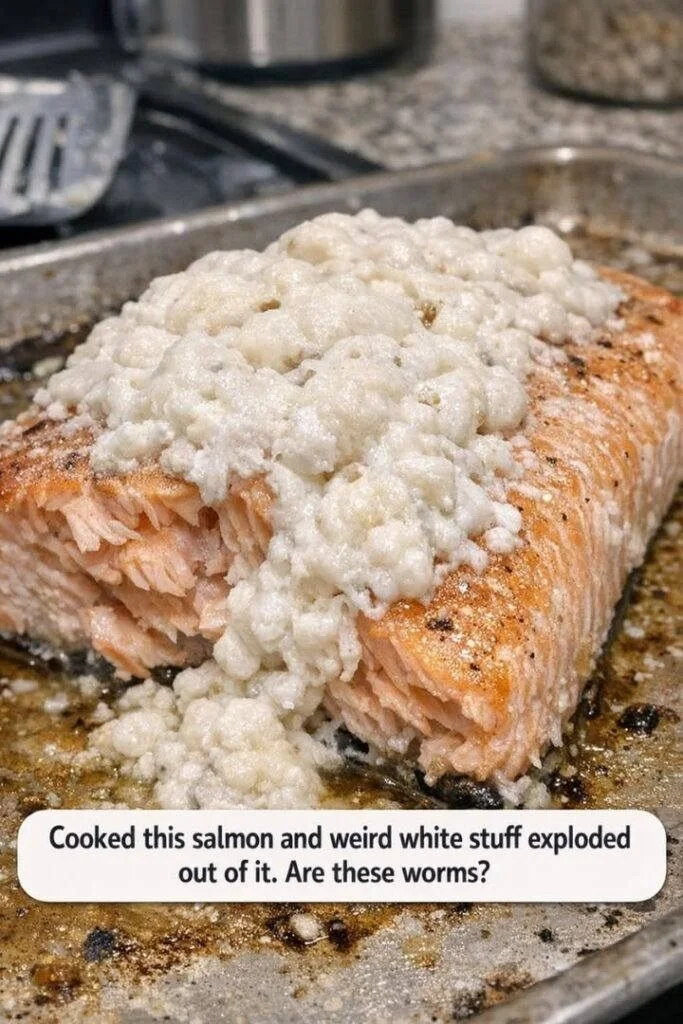
Imagine getting ready to enjoy a delicious piece of salmon, only to find a strange white substance oozing from it. You might wonder: is this normal? Could these be worms? Many home cooks and seafood lovers have faced the same unsettling discovery, leading to confusion and a bit of panic. Don’t worry; we’re here to explore this odd phenomenon and clarify what you’re actually seeing.
Why This Happens
First, let’s understand why this weird white substance appears in salmon. It’s not uncommon for fish to have a natural secretion of proteins and fats when they’re cooked. This can often manifest as a white, watery fluid on the surface of the fish. The technical term for this is “albumin,” a protein that coagulates and solidifies due to heat. When salmon cooks, especially at high temperatures, this protein can leech out, creating a rather unappealing sight.
What About the Worms?
It’s understandable to jump to conclusions, especially if you’re a bit squeamish. The thought of worms being present in your salmon can turn your appetite off completely. Fortunately, the white substance is usually not worms. True worms, like anisakis, are uncommon in farmed salmon and much more prevalent in wild salmon. If you ever find yourself in doubt, a closer inspection can help clarify things. Anisakis typically appear as small, white, noodle-like worms within the flesh of the fish, not as a surface secretion.
How to Prepare Salmon Safely
To enjoy salmon with peace of mind, here are some practical tips for selecting and preparing this delectable fish:
- Choose Fresh Fish: Always buy salmon from reputable suppliers. Fresh fish should smell like the ocean, not fishy.
- Check for Quality: Look for bright, vivid colors and firm texture. Avoid any fish with discoloration or mushy spots.
- Cooking Temperature: Aim to cook salmon to an internal temperature of 145°F (63°C) for optimal taste and safety.
By following these steps, you can prevent unwelcome surprises and ensure that you have a delicious meal.
Understanding the Cooking Process
When salmon is cooked using methods like baking, grilling, or pan-searing, fat and proteins in the fish are released. Here’s a simple breakdown of the cooking process that leads to that strange white substance:
- Initial Cooking Stage: As the fish heats up, the albumin starts to cook and form a white coating.
- Release of Shellfish Proteins: The fish’s own proteins, when heated, will leach out, creating the bubbling white foamy substance.
- Final Stage: If overcooked, more proteins will be released, leading to more noticeable white substance.
This transformation can be alarming but is part of the normal cooking process.
Expected Results
Once you understand that this white substance is generally harmless, you can confidently prepare and cook salmon. Enjoy the rich flavor and numerous health benefits of this nutritious fish without fear!
Extra Tips for Enjoying Salmon
- Marination: Marinate your salmon before cooking to enhance flavors and reduce the chances of dry, overcooked food.
- Cooking Methods: Try different cooking techniques like poaching or steaming to keep the salmon moist and flavorful.
- Pairing: Serve your salmon with sauces like lemon butter or herb-infused oils for added zest.
Conclusion
Seeing a strange white substance oozing from your salmon may be startling, but most of the time, it’s just a natural reaction during cooking. Hopefully, understanding what you’re looking at can put your mind at ease. Remember, with the right selection and cooking methods, salmon can be one of the most satisfying meals on your table. So go ahead, enjoy it without worry—your stomach will thank you!