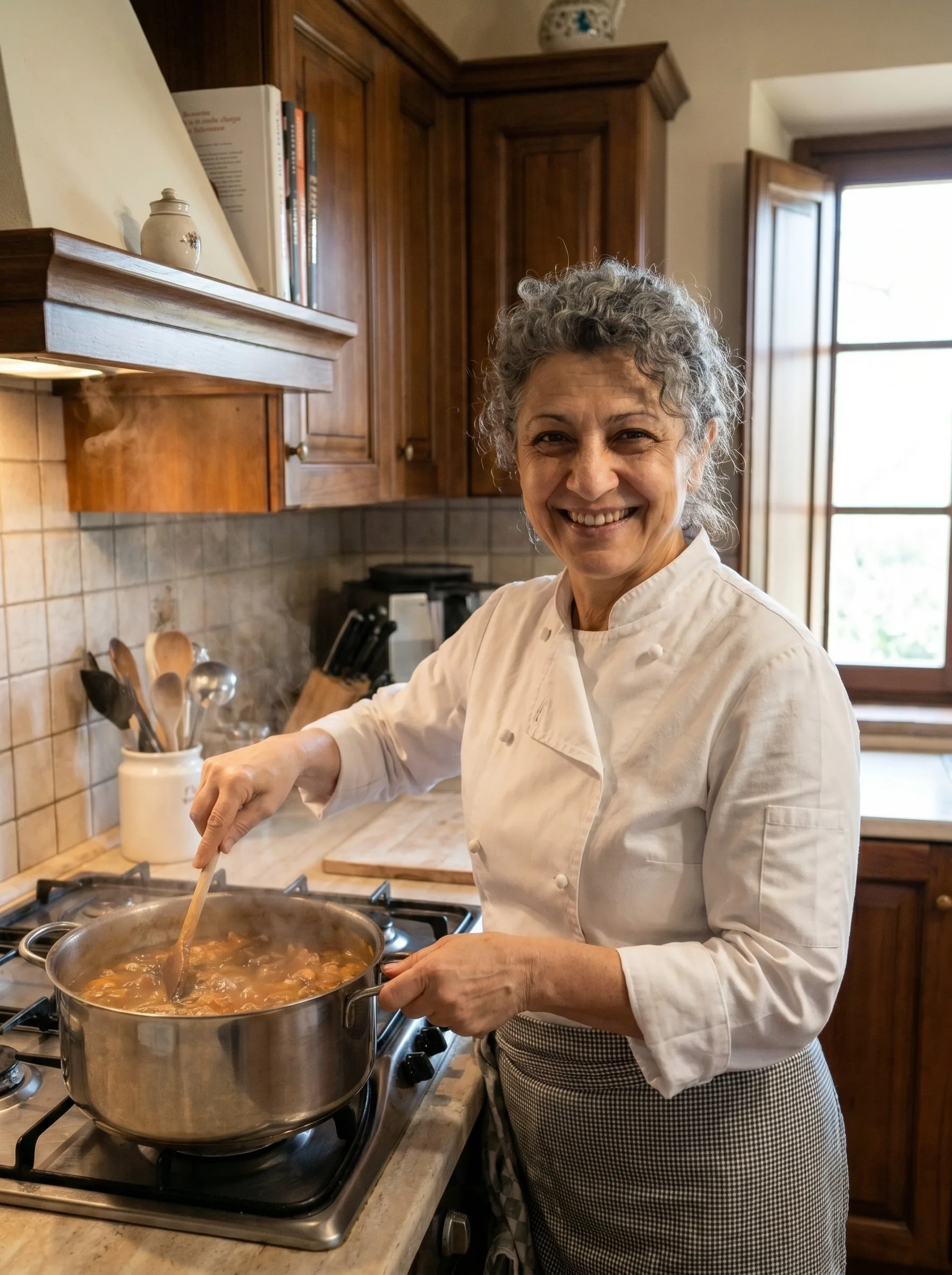
Recipe Book: Used for Everything Except Its Real Purpose
Have you ever opened your recipe book only to find it filled with splatters, crumpled pages, and notes jotted down hastily? You’re not alone. Many of us have recipe books that serve a greater purpose than simply cooking—they become our diary, sketchbook, or even a scrapbook of life events. This unexpected twist on cooking has left many wondering: why are our treasured cookbooks used for everything except their intended purpose?
Why This Works
The truth is, our cookbooks are much more than just guides for whipping up your next meal. They become symbols of nostalgia, creativity, and community. When you fall in love with a particular recipe, the emotion attached to it transforms the purpose of the book. It’s a source of comfort, memories, and even a canvas for your personal stories. Exploring why we misuse our cookbooks opens the door to understand the significance of food in our lives and how cookbooks can encapsulate these greater meanings.
Main Content
So, why do we use our recipe books for everything but cooking? Here are some of the most common reasons, alongside creative ways to embrace this trend:
1. Record Keeping for Memories
Many people use their cookbooks to jot down important family stories, moments, or lessons learned around the dinner table. You might find a recipe scrawled between notes about a family reunion, a favorite dish from Grandma, or reminders about who likes what. Treat your cookbook as a memory keeper. Write down those anecdotes beside the recipes or even on the edges of pages.
2. A Creative Outlet
Not everyone feels like a master chef in the kitchen, but that doesn’t mean you can’t express yourself creatively. Many use the pages of their recipe books for doodling, sketching, or even crafting poetry inspired by food. Try using your cookbook to unlock your artistic side. Set aside a few pages for drawings or paintings that remind you of your culinary journey.
3. Personal Growth and Change
As circumstances change—like dietary restrictions or new culinary interests—our recipe books can serve as a guide to self-discovery. It’s not unusual to find revised versions of beloved recipes or stickers placed next to a dish that marks a new lifestyle. Keep track of your culinary evolution in your cookbook by adding notes about adaptions and substitutes that worked for you or documenting your journey to a healthier lifestyle.
4. Inspiration for New Recipes
Sometimes a recipe serves as a mere source of inspiration. You may turn to a spaghetti recipe only to end up creating a wholly unique dish. Embrace this by writing down your own variations or daring combinations alongside traditional recipes. Give the blank pages new life by experimenting and recording your culinary innovations.
5. The Social Connection
Cookbooks can also create a sense of community. You might find names, numbers, or messages written by friends who gifted you recipes or shared meals together. Consider hosting a gathering where everyone brings a recipe they’ve contributed to your book. It can serve as a celebration of friendships and shared experiences.
Step-by-Step Guide to Transforming Your Cookbook
Want to give your recipe book a new lease on life? Here’s how:
Dedicate a Section for Memories: Use an empty section to write memorable moments associated with certain recipes.
Add Illustrations: Take a page to sketch images of the dishes you’ve made or the ingredients you love.
Rework Recipes: If you altered a recipe significantly, write down what you changed and the result.
Create a Culinary Journal: Reserve a few pages for notes about what you want to try next or ideas for future meals.
Feature Friends and Family: Have a page where you can write down contributions or requests from friends and family about what they would love to see or try.
Expected Results
By transforming your cookbook into a multifunctional keepsake, you foster a deeper connection with food, creativity, and the people around you. You’re not only preserving culinary heritage but also cultivating personal growth and expression—making your time in the kitchen enjoyable and meaningful.
Extra Tips
- Be Open: Don’t shy away from mistakes—sometimes the best recipes come from kitchen disasters!
- Stay Organized: Use tabs to separate sections for recipes, memories, and creative pages for easy access.
- Digital Backup: Consider photographing your notes and illustrations for an online backup that you can share with others.
Conclusion
Cookbooks should be more than just dust collectors in your kitchen. They can be cherished objects filled with stories, creativity, and connections. By viewing them through this new lens, you enrich not only your culinary journey but your personal life too. So grab that dusty recipe book and let it transform into something greater—your own story of flavors, memories, and creativity. Embrace the unexpected and enjoy the journey!