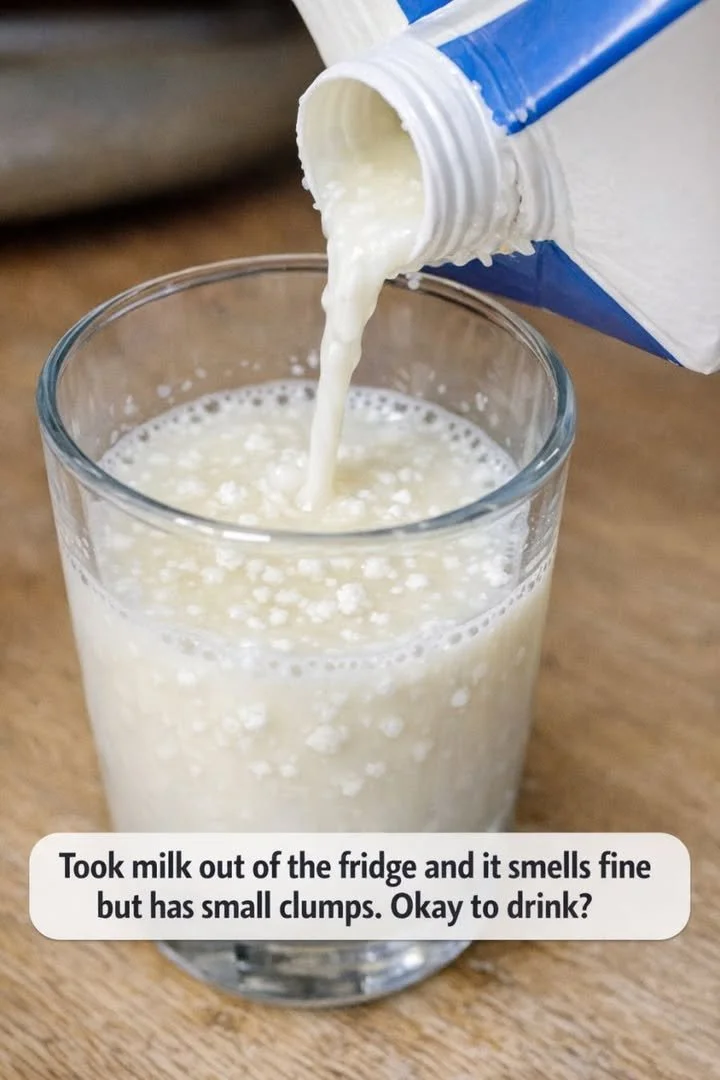
Can You Drink Milk That Smells Fine but Has Clumps?
Have you ever opened a carton of milk, only to find that it looks a bit off? Perhaps it smells just fine, but those mysterious clumps make you hesitate. It’s a common scenario that can leave anyone scratching their head, questioning if it’s still safe to drink. Let’s dive into the world of milk safety, explore the possible causes of clumps, and figure out what your next steps should be.
Why This Works
Understanding the science behind milk can help alleviate your worries. Milk is an emulsion of fat, water, and proteins. When it’s fresh, it should be smooth and free of clumps. However, certain factors can lead to changes in texture while the milk remains safe. What you learn here could save you from tossing out perfectly good milk or, conversely, help you avoid a not-so-tasty surprise.
What Causes Clumpy Milk?
Lactic Acid Bacteria: If milk is left out at room temperature for too long, bacteria can begin to develop, producing lactic acid. This could lead to clumping, but the milk may still smell fine.
Coagulation: Sometimes, milk can coagulate due to changes in temperature, especially if it was frozen and then thawed. This is not harmful, but it’s important to check the smell.
Age of the Milk: As milk approaches its expiration date, the likelihood of clumping increases. If your milk is past its “sell by” date but smells okay, proceed with caution.
Processing Issues: Occasionally, milk might clump due to problems during the pasteurization process or contamination.
Can You Drink It?
So, can you drink milk that smells fine but has clumps? Here’s how to determine its safety:
Smell Test: If it smells sour or off, it’s best to avoid it, even if clumps are absent.
Visual Inspection: If the clumps look moldy or have an unusual color, discard the milk.
Flavor Check: If the taste is off, do not consume it—trust your senses.
If everything checks out—your milk smells fine and the clumps are simply coagulated protein—you might be able to use it in cooking or baking instead of drinking it straight.
Step-by-Step Guide
Smell Your Milk: Start by giving it a good whiff. If it passes the smell test, move to the next step.
Inspect for Clumps: Look closely at the consistency. Small clumps might not mean danger but ensure there’s no discoloration.
Taste a Small Amount: If the first two steps are passed, take a small sip. If the taste is normal, it’s likely safe. Otherwise, throw it out.
Use as Needed: If your milk is still good, use it in recipes like pancakes or casseroles, where cooking will eliminate any texture worries.
Expected Results
By following these steps, you’ll achieve peace of mind about your milk’s safety. Whether you choose to consume it, bake with it, or dispose of it, you’ll know you made an informed decision.
Extra Tips
Storage: Always store milk at the back of the fridge, where it’s coldest.
Check Dates: Pay attention to the “sell by” or “best by” dates for safety.
Freeze Wisely: If you want to prolong the life of your milk, consider freezing it in ice cube trays—which can easily be used for cooking later on!
Conclusion
Finding clumps in your milk can be alarming, but it doesn’t always mean it’s bad. By conducting your smell test, visual inspection, and taste test, you can confidently decide what to do. Remember, your senses are your best allies in the kitchen. Don’t let a few clumps ruin your day—trust your instincts and stay informed!