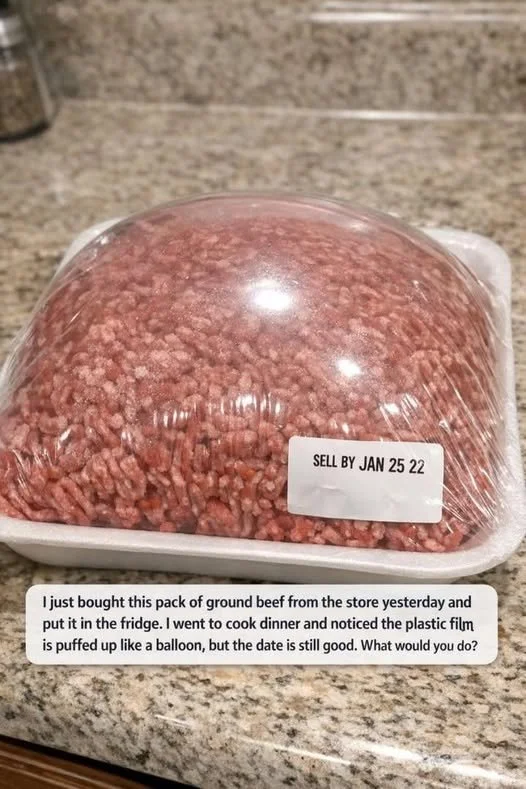
Ground Beef Packaging Puffs Up in the Fridge: Is It Safe?
Have you ever opened your fridge, only to be met with a startling sight? There it is—your package of ground beef, puffed up like a balloon. While this plumpness might seem alarming, it raises an important question: is it safe to use?
Most of us have been there, questioning the freshness of our groceries. Ground beef, in particular, is notorious for its short shelf life. The desire for a juicy burger or a flavorful meat sauce can be overshadowed by concerns about food safety. So, let’s dive into what’s happening with that puffed-up packaging and determine whether it’s safe to continue cooking with.
Why This Works
Understanding the science behind food packaging can be a relief and give you peace of mind. When ground beef is packaged, it’s sealed tightly to keep air out and freshness in. But this seals can also create a vacuum or a buildup of gases, resulting in that puffed appearance. Let’s break this down.
The Causes of Puffing
Bacterial Activity: One primary reason for inflated packaging is gas produced by bacteria. When ground beef spoils, certain bacteria—like Escherichia coli and Salmonella—can thrive. They produce gases that cause the packaging to swell.
Natural Gases: In some cases, the puffing can also be caused by natural gases that occur during the meat’s aging process. As the meat breaks down, it releases carbon dioxide, which can lead to bulging packaging without necessarily indicating spoilage.
Date and Storage: It’s essential to consider how long the meat has been in the fridge and at what temperature it has been stored. Fresh ground beef typically lasts about 1-2 days past its sell-by date if properly stored.
Is It Safe to Use Puffed Ground Beef?
The straightforward answer is: it depends. Here’s how to evaluate whether you can safely use that ground beef.
1. Check the Sell-By Date
Always refer to the sell-by date on the package. If the date has passed, it’s best to err on the side of caution.
2. Inspect the Packaging
If the packaging is intact and sealed, the puffiness could simply be due to gas from natural spoilage. However, if the packaging is torn or leaking, it’s safer to discard the meat.
3. Smell Test
Trust your nose! If the meat has an off or sour smell, it’s best to throw it out.
4. Check for Color Changes
Fresh ground beef should be bright red. A brown or gray color might indicate spoilage, especially if it’s accompanied by other signs like a foul odor.
5. Texture Assessment
If the ground beef feels sticky or slimy to the touch, it’s a clear sign that it has gone bad, and you should not consume it.
6. Cook Thoroughly
If the beef passes all the tests and you decide to cook it, make sure to cook it to an internal temperature of 160°F to kill any harmful bacteria.
Expected Results
By following these guidelines, you’ll be equipped to handle puffed ground beef appropriately. Knowing when it’s safe or when to toss the meat can help you avoid foodborne illnesses. You can enjoy cooking with confidence that you’re making safe choices for you and your family.
Extra Tips
- Proper Storage: Always store ground beef in the coldest part of your refrigerator and use it within one to two days of purchase.
- Freeze for Longevity: If you know you won’t use the ground beef in time, consider freezing it—this can extend its shelf life for months.
- Label Your Meat: If you freeze ground beef, label the package with the date it was stored.
Conclusion
Finding your ground beef package puffed up might cause a moment of panic, but with the right knowledge, you can navigate the situation calmly. Trust your instincts and senses—check the packaging, sniff for odors, and assess the color. Remember, prioritizing food safety ensures delicious meals without the worry. Stay informed, stay safe, and happy cooking!