How to Get Rid of Muscle Soreness: Home Remedies That Really Work
Muscle soreness is something almost everyone experiences at some point. Whether it follows an intense workout, a long day filled with physical activity, lifting heavy objects, or even sitting immobile for too long, the discomfort can be frustrating. While most instances of muscle soreness resolve on their own within a few days, there are several effective home remedies that can help ease discomfort and support recovery.
Understanding how muscle soreness works and how to manage it can lead to a more comfortable recovery experience.
What Is Muscle Soreness?
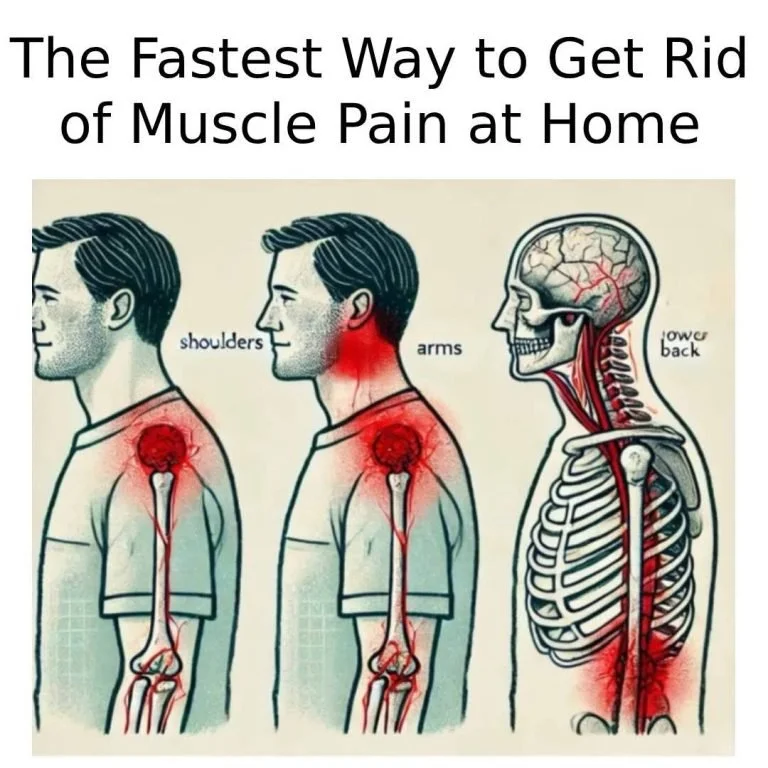
Muscle soreness refers to pain, tenderness, stiffness, or aching in the muscles. It commonly develops after muscles have been overworked, pushed beyond their usual limits, or subjected to unfamiliar physical activity. A common type of muscle soreness is delayed onset muscle soreness (DOMS), which typically appears 12 to 48 hours after exercise and gradually improves over several days.
Common Causes of Muscle Soreness
Muscle soreness may result from several factors, including:
- Intense or unfamiliar exercise
- Muscle strains or minor injuries
- Overuse during work or sports
- Poor posture
- Dehydration
- Inadequate recovery after physical activity
- Certain medical conditions that affect muscles or joints
Common Symptoms
You might experience the following symptoms when dealing with muscle soreness:
- Muscle tenderness
- Stiffness
- Reduced range of motion
- Mild swelling
- Temporary weakness
- Pain when moving the affected muscle
Recognizing these symptoms is essential in addressing muscle soreness effectively, especially through natural remedies.
Home Remedies That May Help Relieve Muscle Soreness
Cold Therapy for Recent Injuries
If your muscle soreness follows an acute injury, applying a cold pack during the first 24 to 48 hours can help reduce swelling and discomfort. Wrap an ice pack or a bag of frozen vegetables in a towel and apply it for 15 to 20 minutes several times a day.Heat Therapy
After the initial swelling subsides—or for general muscle tightness—applying heat may help relax muscles and improve circulation. Use heating pads, warm towels, warm showers, or soak in warm baths to ease tension.Gentle Stretching
Incorporating gentle stretching exercises can improve flexibility and reduce stiffness. Remember to avoid forcing painful movements and only stretch within a comfortable range.Light Activity
While complete bed rest might seem enticing, light activities like walking, easy cycling, or gentle movement can maintain circulation and help alleviate stiffness during recovery.Stay Hydrated
Ensuring that you drink enough water supports normal muscle function and enhances recovery, especially after exercise or sweating.Eat a Balanced Diet
Proper nutrition plays a vital role in recovery. Aim for a balanced diet rich in:- Protein
- Potassium
- Magnesium
- Calcium
- Fruits and vegetables
This nutritional approach supports muscle repair and overall health.
Massage
Gentle massage techniques can temporarily reduce muscle tension, boost circulation, and relieve soreness following exercise or minor strains.Warm Baths
Soaking in a warm bath can significantly relax tight muscles and ease overall discomfort. While some people add Epsom salt, keep in mind that scientific evidence for additional benefits remains limited.
How to Help Prevent Muscle Soreness
To reduce the chances of experiencing muscle soreness in the future, consider the following preventive measures:
- Warm up adequately before exercise
- Gradually increase workout intensity
- Cool down after activity
- Stretch regularly
- Drink enough fluids throughout the day
- Get adequate sleep
- Allow enough recovery time between intense workouts
When Should You See a Healthcare Professional?
Most muscle soreness will improve without professional treatment. However, consult a healthcare provider if:
- The pain is severe or worsening.
- Significant swelling or redness occurs.
- You develop noticeable muscle weakness.
- You experience fever or signs of infection.
- The soreness lasts longer than a week without improvement.
- The discomfort follows a serious injury.
The Bottom Line
Muscle soreness is a normal response to physical activity and minor muscle strain. Most cases improve with simple home remedies, such as gentle movement, stretching, heat or cold therapy, hydration, massage, and proper nutrition, which can all contribute to a more comfortable recovery. If soreness becomes unusually severe, persists for a long time, or is accompanied by other concerning symptoms, seeking professional advice is crucial for further evaluation.
Arming yourself with knowledge about muscle soreness and effective home remedies empowers you to manage your discomfort and return to your activities with confidence.