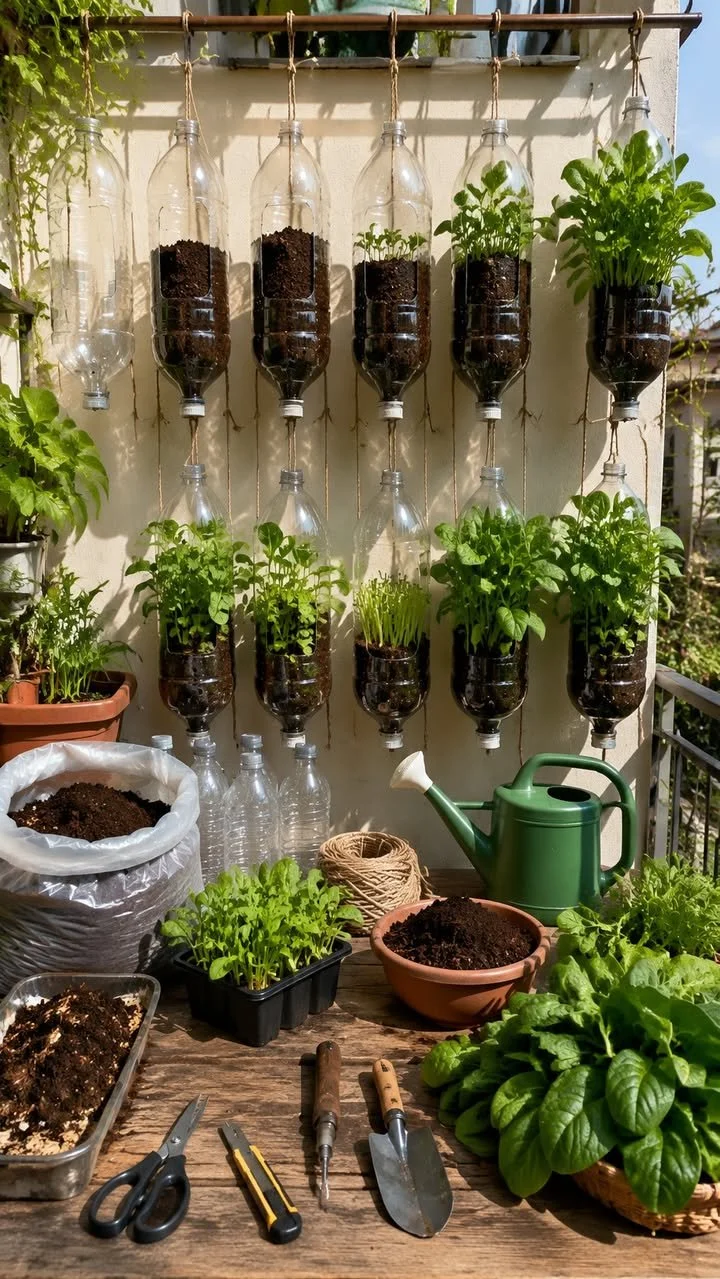
Build Your Own Hanging Bottle Spinach Garden!
Growing your own spinach doesn’t require a sprawling backyard or even large pots. With a handful of recycled plastic bottles and a small space on a sunny wall or balcony, you can build a hanging spinach garden in just a few hours. This simple and sustainable gardening method is perfect for urban dwellers, beginners, and anyone eager to cultivate healthy greens in limited areas. Spinach grows quickly, is nutrient-rich, and thrives in container setups, making it an ideal choice for a vertical garden.
Why Choose a Hanging Bottle Garden?
Hanging bottle gardens maximize vertical space while allowing you to recycle plastic waste. They’re especially beneficial in places where ground space is limited, such as apartments or small balconies. Spinach is well-suited for this kind of setup because it has shallow roots, matures quickly, and prefers the cooler growing conditions that hanging containers often provide.
Moreover, this garden style offers easy management of sunlight, watering, and pests compared to traditional in-ground beds, making harvesting incredibly convenient.
What You’ll Need
To create your hanging spinach garden, gather the following materials:
- 1.5 to 2-liter plastic bottles (clean and dry)
- Scissors or a utility knife
- A nail or hot skewer to create drainage holes
- String, wire, or rope for hanging
- High-quality potting mix with compost
- Spinach seeds or seedlings
- A sunny wall, railing, or balcony hook
Choose a spot for your hanging garden that receives at least 4–6 hours of sunlight daily. Morning sunlight works best for spinach, helping to avoid heat stress during those hot afternoons.
Preparing the Bottles
Start by cutting a horizontal window in the side of each bottle, making it large enough for the plant and allowing room for growth. Keep the bottle cap on, but poke a few holes in it to allow for slow drainage if you’re stacking bottles vertically.
Next, puncture small drainage holes at the bottom of each bottle to prevent waterlogging. You can also create side holes for threading string or wire, allowing you to hang the bottles securely.
If you plan to create a vertical column, thread the rope through the neck and base of each bottle, spacing them evenly to ensure sunlight and air circulation between layers.
Filling the Bottles with Soil
Select a loose, well-draining potting mix that’s rich in organic matter. Spinach thrives in fertile soil with good moisture retention, so consider adding compost, worm castings, or a slow-release organic fertilizer for a nutrient boost.
Fill the bottles up to the planting window, leaving an inch or two of space at the top for watering.
Planting Spinach
You can sow spinach seeds directly into the soil. Plant 2–3 seeds per bottle about half an inch deep, covering them lightly with soil. If you’re using seedlings, create a small hole for the plant in the soil and gently insert it, firming the soil around the roots.
After planting, water gently to ensure the soil is moist but not soaked. Place the hanging bottles in their designated spot, ensuring each one gets ample sunlight.
Watering and Light Requirements
Spinach prefers consistent moisture, especially during germination and leaf formation. Check the soil daily and water when the top inch feels dry. In hot weather, you may need to water more frequently, particularly with hanging containers that dry out faster.
Make sure your garden receives morning sun or filtered light during the day, as spinach can suffer in intense heat. Providing partial shade in the afternoon will help keep it healthy and productive.
Maintenance and Growth Tips
Once the seedlings reach a few inches tall, thin them out, leaving the strongest plant in each bottle. This helps prevent overcrowding and allows for healthy leaf development. Fertilize every 2–3 weeks with diluted liquid fertilizer or compost tea to encourage lush, leafy growth.
Regularly check for pests like aphids or leaf miners, and remove any yellowing or damaged leaves. Because your garden is elevated, it’s less prone to ground-based pests, but regular inspection is still essential.
Harvesting Spinach
You can start harvesting spinach leaves as soon as they reach about 4–6 inches long. Use the “cut-and-come-again” method: snip the outer leaves while leaving the central growth intact. This approach allows the plant to continue producing new leaves for several weeks.
For the freshest, crispest leaves, harvest early in the morning and use them immediately in salads, soups, or sautés.
Final Thoughts
A hanging bottle spinach garden is an easy and eco-friendly way to grow your own food, no matter how small your space is. It’s affordable, simple to build, and incredibly rewarding. With just a few plastic bottles and a sunny spot, you can enjoy fresh, homegrown spinach from your own vertical garden. This project is not just great for your plate—it’s good for the planet, too. Happy gardening!