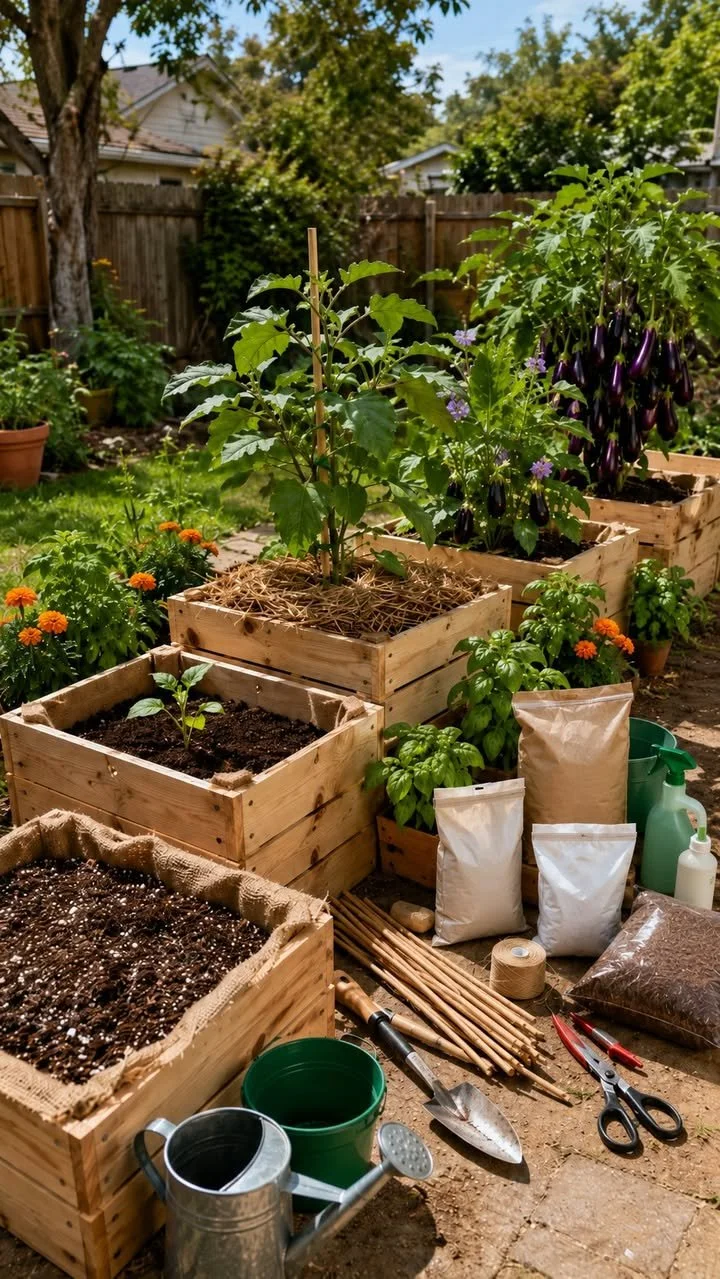
Backyard Eggplant Farming Using Sturdy Crates
Growing eggplants in your own backyard is easier than you might think—and you don’t need a traditional garden bed to do it. With a few sturdy wooden crates, some rich soil, and plenty of sunlight, you can grow lush, productive eggplant plants right outside your door. Crate-based gardening is an excellent way to maximize small spaces, control soil quality, and harvest delicious vegetables with minimal fuss. This guide will walk you through everything you need to know to grow eggplants in crates, from setup to harvest.
Why Grow Eggplant in Crates?
Eggplants are not only productive but also visually appealing plants that thrive well in containers. Using wooden crates as planters is a practical solution for gardeners limited on space. Here’s why crates work so well for growing eggplants:
Portability: Crates can be easily moved to take advantage of sunlight or sheltered from harsh weather conditions.
Drainage: Proper drainage holes help prevent root rot by allowing excess water to escape.
Soil Control: Crates provide the opportunity to tailor soil mixes specifically for optimal eggplant growth.
Sustainability: Using repurposed wooden crates reduces waste and supports eco-friendly gardening habits.
Choosing the Right Crates
When selecting crates for your eggplant garden, choose those that are a minimum of 12–16 inches deep, as this depth will accommodate the eggplant’s root system effectively. The width can vary depending on how many plants you wish to grow — a standard wine or fruit crate works well for one eggplant.
Ensure the crate is made from untreated wood. If your crate has gaps or slats, consider lining the interior with landscape fabric or burlap to hold soil while still allowing for proper drainage.
Preparing Your Crate Planters
Before planting, follow these straightforward steps to prepare your crates:
Drill Holes: If your crate doesn’t already have drainage holes, drill several into the bottom.
Line the Crate: Use breathable materials like burlap, mesh cloth, or landscape fabric to line the crate.
Choose the Right Spot: Place the crate in an area that receives at least 6–8 hours of full sunlight each day.
The Best Soil Mix for Eggplants
Eggplants thrive in fertile, well-draining soil that is rich in organic matter. For crate gardening, a good soil mix includes:
- 2 parts high-quality potting soil
- 1 part compost or well-rotted manure
- A handful of perlite or coarse sand to enhance drainage
Additionally, before planting, add a slow-release organic fertilizer or a balanced fertilizer such as 10-10-10 to promote healthy growth.
Planting Eggplants in Crates
You have two options for planting: starting seeds indoors and transplanting seedlings or purchasing healthy starter plants from a nursery.
If Planting Seeds:
- Start seeds 6–8 weeks before your last frost date.
- Transplant seedlings to crates when they reach 6–8 inches tall and the outdoor temperature is consistently above 60°F (15°C).
Spacing: Ideally, place one eggplant per crate for optimal root development. If your crate is wide enough, you may space multiple plants at least 18–24 inches apart.
When planting the seedlings, position them slightly deeper than they were in their nursery pots to encourage robust root growth.
Watering and Sunlight Needs
Eggplants love warmth and need plenty of sun. Position your crates in the sunniest area available.
Watering Tips:
- Keep the soil evenly moist, particularly during flowering and fruit development.
- Avoid waterlogging; ensure your crates drain properly to prevent soggy roots.
- Water at the base of the plant to minimize the risk of fungal diseases on the leaves.
- Consider mulching the surface of the crate with straw or dried leaves to help retain moisture and regulate soil temperature.
Fertilizing and Plant Care
Eggplants are heavy feeders, so it’s important to supplement the soil every 2–3 weeks with liquid organic fertilizer or compost tea to encourage ongoing flowering and fruiting.
Support:
As your plants grow and begin to bear fruit, you may need to provide support. Insert a wooden stake into the crate and gently tie the main stem to it with garden twine.
Pruning:
To promote airflow and direct energy towards fruit production, remove some of the lower leaves and suckers—these are small shoots that grow from the plant’s base.
Common Pests and Problems
While cultivating eggplants, be on the lookout for pests that may invade your plants, such as:
- Aphids
- Flea beetles
- Spider mites
If you encounter infestations, consider using neem oil spray or insecticidal soap to treat them. Additionally, companion planting with herbs like basil or marigold can help deter pests naturally.
Fungal issues like powdery mildew can be minimized by avoiding overhead watering and ensuring adequate airflow around your plants.
Harvesting Your Crate-Grown Eggplants
Eggplants are typically ready to be harvested 60–80 days after transplanting. Look for fruits that are glossy, firm, and have reached their appropriate mature size—usually between 6–10 inches, depending on the variety.
Don’t wait too long to harvest; overripe eggplants can become tough and bitter. Use scissors or garden shears to cut them off at the stem, leaving a small section of the stem attached.
Final Thoughts
Backyard eggplant farming using wooden crates is a simple yet rewarding way to enjoy fresh produce. Whether you have a patio, a rooftop, or a small yard, crate planters offer you flexibility, style, and practicality. With the right care and attention, your eggplants will yield a season full of flavorful harvests—no expansive garden plot needed!