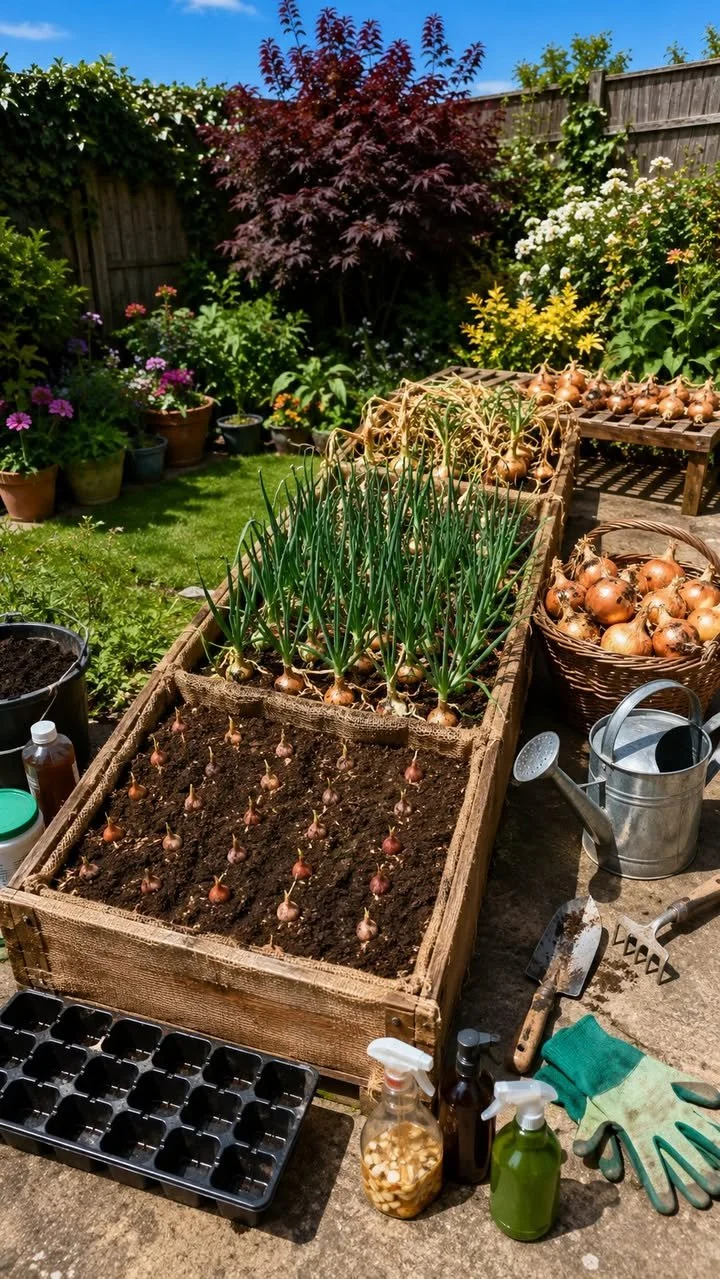
Backyard Crate Onions: Small Space, Big Flavor
Growing your own food can feel like a daunting task, especially when space is limited. But fear not! Backyard crate onions are the perfect solution to bringing fresh, flavorful ingredients right to your kitchen—no matter how tiny your outdoor space may be.
Why This Works
Onions are essential in many dishes and can elevate your cooking with their rich flavors. By utilizing crates as your growing medium, you can maximize your yield while keeping your gardening manageable and organized. This method allows you to create a beautiful and functional garden, even in the smallest of backyards or patios.
The Benefits of Growing Onions in Crates
- Space-Saving: Crates can be placed anywhere, allowing you to utilize vertical space and optimize sunlight exposure.
- Easy Maintenance: With this method, maintaining soil quality becomes simpler, and you can easily manage pests and weeds.
- Better Drainage: Well-drained crates prevent waterlogging, minimizing the risk of disease and root rot.
- Harvest on Your Terms: You can easily pull onions as needed, ensuring you always have fresh onions on hand.
Step-by-Step Guide to Growing Backyard Crate Onions
Growing your onions in crates is straightforward. Here’s a complete guide to help you get started:
1. Choose the Right Crate
Look for a wooden or plastic crate that is at least 12 inches deep. The depth is crucial for onion growth as it allows the roots to develop properly.
2. Prepare Your Soil
Fill the crate with a high-quality potting mix enriched with compost. Good soil is vital for nutrient absorption and healthy growth. Aim for a mix that provides good drainage and moisture retention.
3. Select the Onion Variety
Choose onion varieties suitable for container gardening. Short-day onions (like Vidalia or Yellow Granex) thrive in regions with mild winters and longer summer days, while long-day varieties (like Walla Walla or Texas SuperSweet) are great for northern climates.
4. Planting the Onions
Plant onion sets (young bulbs) about 1-2 inches apart and 1-2 inches deep in the prepared soil. Water them immediately after planting.
5. Care for Your Onions
Ensure they receive full sunlight (at least 6 hours a day) and water them regularly but avoid overwatering. Fertilize with a balanced fertilizer every few weeks to promote healthy growth.
6. Monitor for Pests
Keep an eye out for common pests like onion flies and aphids. You can manage them naturally with insecticidal soap or by introducing beneficial insects like ladybugs.
7. Harvesting Your Onions
Your onions are ready to harvest when the tops begin to yellow and fall over, typically 90-120 days after planting. Gently pull them out of the crate, shake off excess soil, and allow them to dry.
Expecting Results
With a little care and attention, you can expect a bountiful harvest from your backyard crate onions. You’ll enjoy the satisfaction of growing your own food and enhance your meals with fresh flavors right from your garden.
Extra Tips for a Thriving Onion Garden
- Crop Rotation: Rotate the onions with other vegetables to keep pests and diseases at bay.
- Companion Planting: Consider planting carrots or beets alongside onions; they grow well together and can help repel pests.
- Mulching: Apply a layer of mulch to retain moisture and suppress weeds.
Conclusion
Transforming limited outdoor space into a flourishing garden is within your reach with backyard crate onions. This simple yet effective method can provide flavor and enjoyment to your meals while giving you a rewarding gardening experience. So grab a crate, get your hands dirty, and embrace the joy of growing your own food—no matter how small the space! Happy gardening!