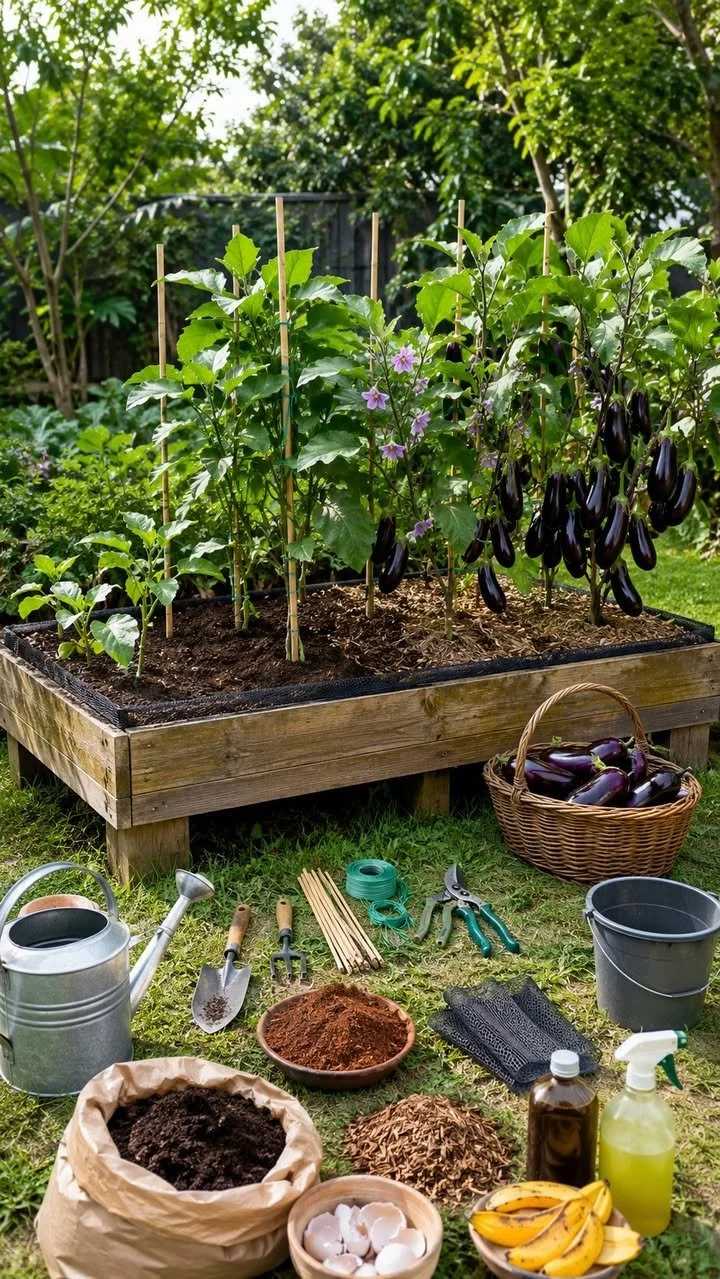
Eggplants from Crate to Kitchen: Your Garden Guide
Have you ever thought about growing your own eggplants but felt overwhelmed by the process? You’re not alone! Many gardening enthusiasts want to enjoy the satisfaction of harvesting their own produce but struggle with where to start. Fear not! By the end of this guide, you’ll have all the information you need to take your eggplants from crate to kitchen, turning your gardening dreams into a delicious reality.
Why This Works
Growing eggplants at home is not only rewarding but also quite simple when you know the right steps to take. With just a little knowledge and effort, you can cultivate beautiful, healthy plants that produce tasty fruits. Plus, there’s nothing quite like the experience of cooking with ingredients you’ve grown yourself!
Main Content
1. Choosing the Right Variety
Eggplants come in various sizes, shapes, and colors. Here are a few popular varieties you might consider:
- Black Beauty: Large, glossy, and perfect for grilling or roasting.
- Japanese Eggplant: Slim and tender, ideal for stir-fries and sushi.
- Fairy Tale: Small, ornamental, and ideal for container gardening.
- Rosa Bianca: Creamy white flesh and sweet flavor, great for frying.
Pick a variety that will suit your cooking preferences and local climate conditions.
2. Preparing the Soil
Eggplants thrive in well-drained, fertile soil. Use the following steps to prepare your garden bed:
- Choose a sunny location: Eggplants need at least 6-8 hours of sunlight daily.
- Amend the soil: Mix in compost or well-rotted manure to enhance fertility.
- Check pH levels: Aim for a soil pH between 6.0 and 7.0 for optimal growth.
3. Starting Seedlings Indoors
If you’re starting your plants from seeds, here’s how to get it right:
- Timing: Start seeds indoors 8-10 weeks before the last frost date.
- Containers: Use seed trays or pots with drainage holes filled with seed-starting mix.
- Water and light: Keep the soil moist and place the trays in a warm, bright spot or under grow lights.
4. Transplanting to the Garden
Once your seedlings are about 6 inches tall, it’s time to move them outside:
- Harden off: Gradually expose the seedlings to outdoor conditions over a week.
- Transplanting: Space plants about 18-24 inches apart in the garden bed, burying them at the same depth they were in their pots.
5. Caring for Your Eggplants
Proper care is essential for healthy, fruit-bearing plants:
- Water regularly: Keep the soil consistently moist, especially during dry spells.
- Mulch: Apply organic mulch to retain soil moisture and suppress weeds.
- Fertilize: Use a balanced fertilizer every few weeks after transplanting.
6. Pest Management
Watch for common pests like aphids and spider mites. Here are tips to control them:
- Natural predators: Introduce beneficial insects like ladybugs.
- Neem oil: Use it as a natural pesticide to deter pests while being gentle on plants.
Step-by-Step Guide
- Choose your eggplant variety.
- Prepare the garden bed with the right soil conditions.
- Start seedlings indoors for healthy growth.
- Transplant outdoors when the weather is right.
- Care for your plants through proper watering, mulching, and fertilizing.
- Manage pests naturally to ensure a healthy harvest.
Expected Results
By following these steps, you can expect to grow lush, vibrant eggplants, leading to a bountiful harvest. Imagine the taste of fresh eggplant parmigiana made with your own homegrown vegetables. The satisfaction you’ll experience from planting and then harvesting your eggplants will make all your efforts worthwhile!
Extra Tips
- Rotate your crops: Practice crop rotation every year to prevent soil depletion and diseases.
- Try container gardening: If space is limited, eggplants also grow well in pots with good drainage.
Conclusion
Growing eggplants from crate to kitchen doesn’t have to be a daunting task. With the right guidance, you can cultivate your own bounty and enjoy fresh eggplants in your favorite dishes. Take that first step—dig up a little space in your garden, and soon you’ll experience the joy and satisfaction of growing your own food. Happy gardening!