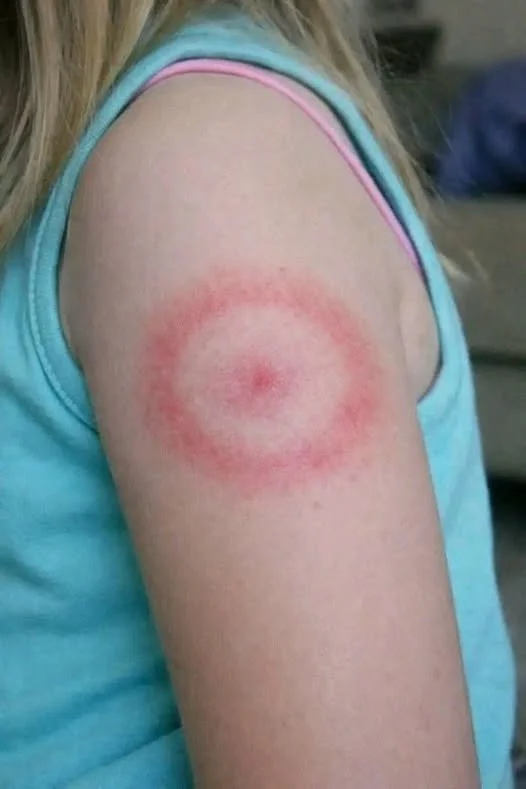
What You Need to Know About Your Child’s Mysterious Red Ring
As a parent, there’s nothing more alarming than waking up to find something strange on your child’s skin. When your daughter wakes up with a red ring on her arm that appears to be spreading, it’s natural to feel a surge of panic. Is it dangerous? Should you rush her to the doctor? Let’s unpack this situation together.
Why You Shouldn’t Ignore It
The appearance of a red ring can signify various conditions, some benign and others that need immediate attention. It’s important to understand what the ring may indicate and why seeking advice promptly can ease your mind and ensure your child’s health and safety.
Understanding the Red Ring
Red rings or rashes can stem from several causes, including:
Insect Bites: Sometimes, a simple bite can cause localized redness and swelling, particularly if your child has a mild allergic reaction.
Ringworm: This fungal infection manifests as a circular, red, scaly patch. It’s contagious but treatable with antifungal medications.
Erythema Migrans: This is the classic rash associated with Lyme disease, characterized by a bullseye appearance. It usually appears 7–14 days after a tick bite.
Contact Dermatitis: This occurs when the skin reacts to a substance, which could range from new soaps to irritating plants like poison ivy.
Viral Exanthems: Certain viral infections, especially in children, can present with rashes that may spread.
Steps to Take When You Notice the Ring
When you see a spreading red ring on your child, here’s a simple guide to follow:
Assess the Symptoms: Check for other symptoms such as fever, swelling, or changes in behavior. Take note of any recent outdoor activities where tick exposure might have occurred.
Take Photos: Document the progression with photos. This can be helpful for medical professionals who may ask to see how it developed.
Avoid Home Remedies: Resist the urge to apply creams or treatments until you’ve consulted a healthcare professional. Some substances may worsen the condition.
Seek Professional Advice: Call your pediatrician or a local health clinic. Describe the red ring and any accompanying symptoms you’ve noticed. They might advise you to come in for an examination.
Stay Calm: Keep in mind that not all skin issues are emergencies. Staying calm can help your child feel more at ease.
Expected Outcomes
When you consult with a healthcare provider, expect them to:
- Visually inspect the ring for characteristics that may indicate its cause.
- Ask about recent activities, health history, and any other symptoms.
- Recommend a treatment plan or further testing if necessary.
In many cases, a quick expert evaluation can lead to peace of mind, whether it’s a simple case of contact dermatitis or more significant like Lyme disease that requires treatment.
Extra Tips for Parents
Educate Yourself: Familiarize yourself with common skin conditions in children. This knowledge can help you feel more prepared for future incidents.
Have a First Aid Kit Ready: Keep treatment options like antiseptics and hydrocortisone on hand, but always check with your doctor before using any medications.
Regular Skin Checks: Make it a habit to regularly check your child’s skin, especially after outdoor activities.
Conclusion
Finding a red ring on your child’s arm can indeed be frightening. However, by staying informed and taking the right steps, you can manage the situation effectively. Trust your instincts. If you’re worried, visit a health professional. In many cases, a little reassurance is all you need to set your mind at ease and keep your child healthy. Remember, you’re not alone in this—other parents have walked this path and emerged with their children’s health intact!