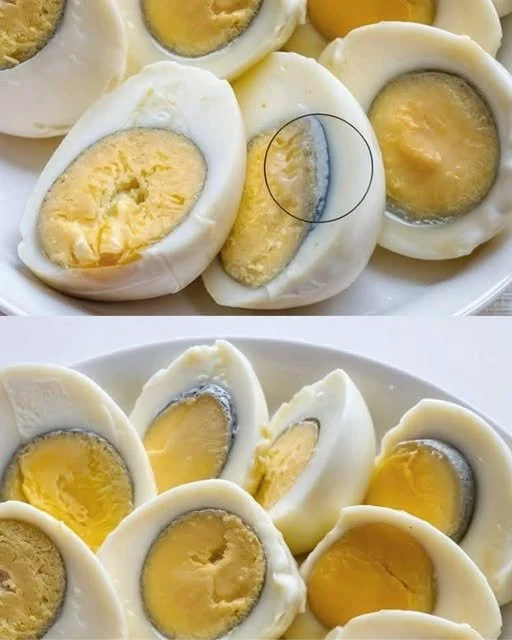
What Does a Green Ring Around Egg Yolks Mean?
Have you ever cracked open an egg only to find a greenish ring around the yolk? If so, you might have felt a mix of confusion and concern. What could this mean for your breakfast plans? Could it indicate a problem with freshness or safety? Fear not; by the end of this article, you’ll understand exactly what that green ring signifies, why it occurs, and if it’s something you should worry about.
The Science Behind the Green Ring
The green ring around an egg yolk is often the result of a chemical reaction between iron in the egg yolk and sulfur-containing compounds in the egg white. This reaction occurs when eggs are overcooked or stored improperly. When eggs are boiled for too long or at too high a temperature, the iron from the yolk combines with hydrogen sulfide from the egg white, leading to that unsightly greenish tint.
Why This Happens
Overcooking: Cooking eggs at high temperatures or for an extended time creates the perfect environment for this reaction to take place. If you’re hard boiling eggs, try to follow a gentle cooking process.
Age of the Eggs: Older eggs are more prone to developing a green ring because the pH level of the egg white increases over time, making it easier for the iron and sulfur to react. Fresh eggs are less likely to have this issue.
Cooking Method: Frying and poaching methods generally don’t cause this discoloration; this is mainly an issue when boiling eggs.
What You Can Do
So, should you toss out eggs with a green ring? Not necessarily. While it can affect the aesthetics of your dish, it doesn’t mean the egg is unsafe to eat. Here are a few steps you can take to minimize the chances of getting that green ring:
Cook Properly: If boiling, aim for a cooking time of around 9-12 minutes for hard-boiled eggs. Immediately place them in an ice bath after cooking to halt the cooking process.
Choose Fresh Eggs: Use eggs that are as fresh as possible. This not only reduces the risk of a green ring but also enhances the taste and quality of your dishes.
Avoid Open Air: Store eggs in the refrigerator in their original carton. This helps to maintain their freshness and prevents odors from permeating the egg.
What to Expect When Cooking Eggs
When you follow the right method for cooking eggs, you’ll enjoy their taste, texture, and nutritional benefits without any unwanted side effects. You can likely avoid the green ring altogether while preparing delicious dishes like deviled eggs, egg salad, or simply a hearty breakfast scramble.
Extra Tips for Perfect Eggs
Use the Right Tools: Consider investing in an egg timer or use a kitchen thermometer to ensure you’re cooking your eggs at the right temperature.
Experiment with Cooking Times: Different egg preferences (soft-boiled versus hard-boiled) will require different cooking times. Test out your method to find what works best for you.
Consider an Egg Timer: Some kitchens have egg timers that change color as you cook the egg. This can be a handy tool for avoiding overcooking.
Conclusion
In summary, finding a green ring around your egg yolk doesn’t spell disaster; it merely indicates an overcooking issue or the age of the egg. By following some simple cooking tips and using fresh ingredients, you can keep your eggs looking good while enjoying them. So the next time you crack an egg, don’t fret if you see a green hue—just remember the science behind it, adjust your cooking techniques, and savor every bite!