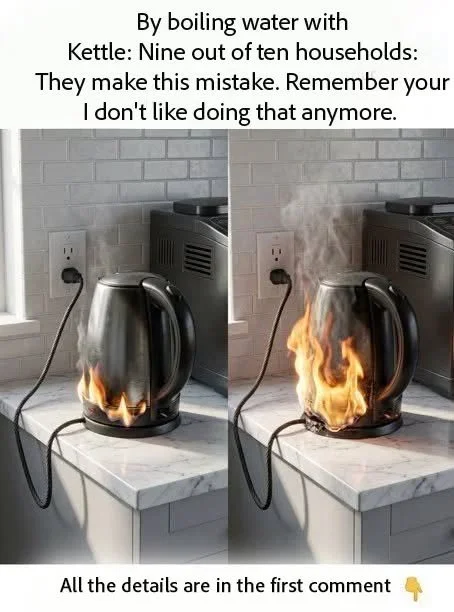
Boil Water Daily: 9 Out of 10 Households Use Their Kettle Incorrectly
Did you know that nearly 90% of households are using their kettles wrong? If you’re like most people, your daily ritual of boiling water could be doing more harm than good. Picture this: you fill your kettle, hit the switch, and wait for that satisfying whistle. But what if I told you that your routine might be wasting energy, affecting the taste of your tea or coffee, and even potentially compromising your health? Let’s dive into the surprising ways you might be using your kettle incorrectly and how to fix it.
Why This Works
Using a kettle properly not only improves the taste of your beverages but also saves energy and prolongs the life of your appliance. By understanding the common mistakes made during this simple task, you’ll be amazed at the improvements you can experience from a simple shift in your boiling habits. After all, every sip counts!
The Common Mistakes
Here are the nine most common mistakes people make when boiling water in their kettles:
Overfilling the Kettle
Many people fill their kettles to the brim, thinking it will boil more water faster. However, overfilling can lead to spills and a longer boiling time. The correct fill line is usually marked inside the kettle; always use this guide.Boiling Water Multiple Times
Boiling water more than once can concentrate chemicals and impurities. If you find yourself repeatedly boiling the same water, consider using fresh water every time for the best flavor and health.Ignoring the Filter
If your kettle has a filter, make sure to check it regularly. A dirty filter can lead to mineral buildup, affecting the taste and health of your water. Clean or replace your filter as needed.Using the Wrong Temperature Setting
Not all drinks require boiling water. For instance, green tea is best steeped at around 175°F, while black tea requires boiling water. Learn the perfect temperature for your beverage and adjust your kettle settings accordingly.Leaving the Kettle Unattended
An unattended kettle that boils dry can lead to damage or even a fire hazard. Always stay nearby while your kettle is heating up.Not Descaling Regularly
Over time, minerals from hard water can accumulate inside your kettle. Descale your kettle regularly to prevent buildup and maintain efficiency.Neglecting to Use a Lid
Boiling water with the lid off wastes energy! Always cover the kettle to conserve heat and speed up the boiling process.Choosing the Wrong Material
Not all kettles heat water equally. Stainless steel or glass kettles are often more efficient than plastic ones, which can impart flavors and odors to the water.Using Strong Detergents for Cleaning
When cleaning your kettle, avoid harsh chemicals that can leave a residue and affect the taste of your water. A mix of vinegar and water is usually enough for a thorough cleaning.
Step-by-Step Guide to Proper Kettle Use
- Fill the Kettle: Use the marked fill line to ensure you’re not overfilling.
- Select the Water Temperature: Choose the appropriate setting based on your drink.
- Cover the Kettle: Always place the lid on to boil water more efficiently.
- Monitor Boiling: Don’t walk away while the kettle is heating.
- Clean Regularly: Schedule regular descaling and clean the filter monthly.
Expected Results
By changing your kettle habits, you can expect not only better-tasting drinks but also increased energy efficiency and a longer lifespan for your kettle. You may also feel better knowing that you’re using your appliance in the safest and most effective way possible.
Extra Tips
- Keep your kettle clean and your water fresh to enhance the flavor of your favorite drinks.
- Experiment with different temperatures and types of water (like filtered or bottled) for the best tasting experience.
- Consider investing in a kettle with variable temperature settings for versatility.
Conclusion
Incorporating these tips into your daily routine can transform your water-boiling experience. It’s a small change with great benefits that could elevate your beverage game and make a real difference in your day-to-day. So next time you boil water, remember these pointers. Let’s start boiling the right way and make every cup count!