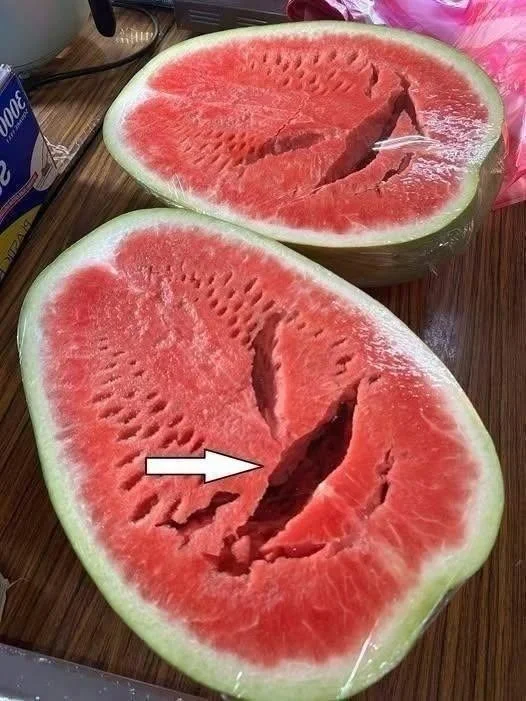
Did You Discover Cracks While Cutting Your Watermelon? Don’t Throw It Away Right Away! Here’s What It Means!
Cutting open a watermelon is always a highly anticipated moment—one filled with excitement and the promise of sweet, juicy refreshment. But what happens when you uncover unexpected cracks or splits in your watermelon? It can be alarming, especially if you’ve been looking forward to enjoying it. Fear not! Before you toss that watermelon in the trash, let’s explore what those cracks actually mean and whether your fruity treat is still safe and delicious to eat.
Why This Works
Understanding the condition of your watermelon is crucial for enjoying a safe and tasty experience. Cracks or splits can signal various things about a watermelon, from its ripeness to its quality. In this guide, we’ll decode these signs and help you determine if your watermelon is still worth saving. You may find there’s more to those cracks than meets the eye!
What Cracks Mean
When you encounter cracks while cutting your watermelon, they can be attributed to several factors:
Over-Ripeness: One of the most common reasons for cracks is that the watermelon has become overripe. If the fruit has outgrown its optimal stage, it may split due to excessive pressure inside as it continues to accumulate water. Overripe watermelons are often very sweet but may lack the crisp texture of their fresher counterparts.
Improper Irrigation: Watermelons require consistent watering during their growth. Irregular watering can lead to uneven growth, causing stress on the skin and resulting in cracks. If your watermelon has an abnormal shape alongside the cracks, it may be due to inconsistent moisture levels.
Temperature Fluctuations: A sudden change in temperature, particularly between hot and cold, can cause the outer skin to crack. For instance, if a watermelon is stored in a cool area after being in the sun, it may split due to thermal shock.
Genetics: Some watermelon varieties are simply more prone to cracking than others. It’s worth considering the specific type of watermelon you have and looking into its common characteristics.
Pest Infestation: In some cases, pests may create tiny openings or cracks in the skin of the watermelon as they feed on it. If you notice other signs of pest damage, such as unusual spots or holes, it’s time to exercise caution.
What to Do Next
Now that you understand the potential causes, here’s how to decide whether to keep or toss that cracked watermelon:
Inspect the Inside: If the cracks are superficial and the inside looks good—bright red or pink, juicy, and free of any mushy spots—it’s generally safe to eat. Taste a small piece to determine flavor and texture.
Look for Smell: A sour smell is a clear indicator that the watermelon has gone bad. If it smells fresh and sweet, it’s likely still good to enjoy.
Check for Signs of Mold: If you see any discoloration or fuzzy spots, it’s a red flag. Mold can indicate spoilage, and it’s best to err on the side of caution.
Step-by-Step Guide to Enjoy Your Watermelon
- Cut Carefully: Use a sharp knife to avoid further damaging and creating more cracks in the fruit.
- Examine the Color: Look for vibrant, consistent color. Any white or translucent areas might indicate overripeness.
- Smell Test: Give it a sniff! A fresh watermelon should have a sweet, pleasant aroma.
- Taste Test: If it passes the smell and visual checks, take a small taste to ensure it’s still juicy and sweet.
Expected Results
By following this guide, you will gain a clearer understanding of what those cracks might indicate. Ultimately, you’ll be able to determine if your watermelon is still safe to eat or if it’s best reserved for compost!
Extra Tips
- Serving Suggestions: If your watermelon is still good, consider using it in fruit salads, smoothies, or refreshing summer cocktails.
- Storage Advice: If you have leftover watermelon, store it in an airtight container in your fridge to keep it fresh for longer.
- Preventing Future Cracks: For your next watermelon, choose one that feels heavy for its size and has a uniform shape without dents or soft spots.
Conclusion
Don’t panic if you encounter cracks in your watermelon! They can have different meanings, and not all of them are cause for concern. With a little inspection and knowledge, you can confidently enjoy your watermelon and all its refreshing goodness. So slice away and relish in the delightful flavors of summer!