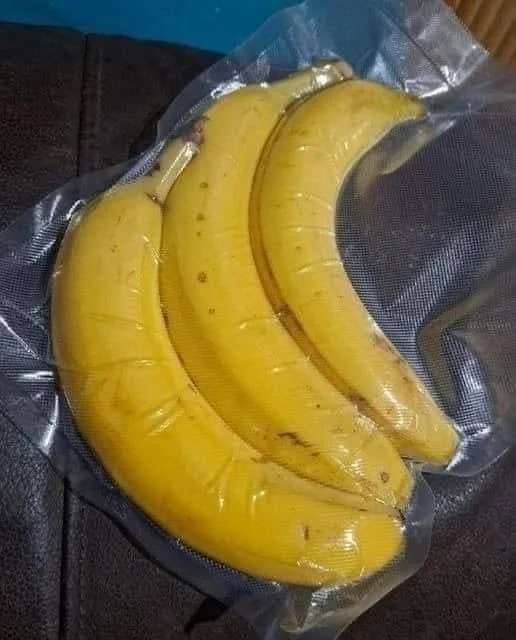
Vacuum-Sealed 3 Bananas: What Happened When I Cut Them Open
Have you ever wondered what happens to fruit when it’s vacuum-sealed for an extended period? I decided to find out by vacuum-sealing three bananas and cutting them open after a week. The results were surprising, a twist on a typical kitchen experiment that left me both fascinated and slightly grossed out!
The Intrigue of Vacuum-Sealed Fruit
Vacuum sealing is a popular method of preserving food by removing air, which significantly slows down the oxidation process. Fruits like bananas are known for their quick spoilage, so the idea of testing this preservation technique on them sparked my curiosity. But, would they still taste fresh, or would they transform into some unrecognizable mush?
What I Found Inside
After a week of waiting, I was eager to see the outcome. As I sliced through the vacuum-sealed bag, the first thing that hit me was the softness of the bananas. They felt a bit too mushy to touch, and the vibrant yellow had faded significantly. Instead of the lively fruit I expected, there were darker, almost brown tones.
When I pulled one banana out, the texture was slippery, as if the fruit had become overly hydrated yet somehow dehydrated at the same time. I couldn’t help but think, will they still taste sweet?
The Taste Test
With a mix of excitement and apprehension, I took a bite. Surprisingly, the flavor was still predominantly sweet, with a hint of banana essence, but the texture was the major drawback. It lacked the firmness and satisfaction of a fresh banana. Instead, the mushiness was reminiscent of overripe fruit — not quite what I had hoped for, but interesting nonetheless.
Why This Works: The Science of Vacuum Sealing
Vacuum sealing removes oxygen, a key factor in food spoilage. However, bananas come with their own set of enzymes that promote ripening. When these enzymes are sealed away from air, they continue to work on breaking down the fruit’s structure, which explains why the bananas turned mushy more rapidly than expected. The preservation method can delay growth of bacteria and mold but can’t stop the natural ripening process.
Tips for Vacuum Sealing Bananas
If you want to experiment with vacuum-sealing bananas yourself, here are some helpful tips:
- Use Firm Bananas: Choosing bananas that are just ripe, not overripe, can yield better results.
- Flash Freeze Before Sealing: If you want to keep the texture preserved, consider flash freezing them before vacuum sealing.
- Consider Slicing: Slicing the bananas into pieces can make them more manageable and allow for less mushiness.
Expected Results: What to Expect
From this experiment, you can expect that while the flavor might still be there, the texture of vacuum-sealed bananas may not satisfy your fresh fruit cravings. You may also discover that vacuum sealing isn’t a perfect solution for all fruits, particularly those prone to rapid enzymatic activity, like bananas.
Final Thoughts: A Mixed Bag of Results
While my experiment with vacuum-sealing bananas didn’t yield the fresh fruit experience I was hoping for, it certainly underscored the fascinating impact of preservation techniques. Would I try it again? Perhaps! It’s a curious adventure into the world of food science and preservation.
If you’re thinking of trying it for yourself, be prepared for some unexpected outcomes — but that, after all, is the fun of cooking and experimenting in the kitchen. Who knows what you might discover next?
So, the next time you’re contemplating a banana overload, consider vacuum sealing, but also keep in mind the potential mush factor. Happy sealing!