Slow-Cooked Pork Roast Discoloration: Green and Rainbow Reflections, Is the Meat Bad?
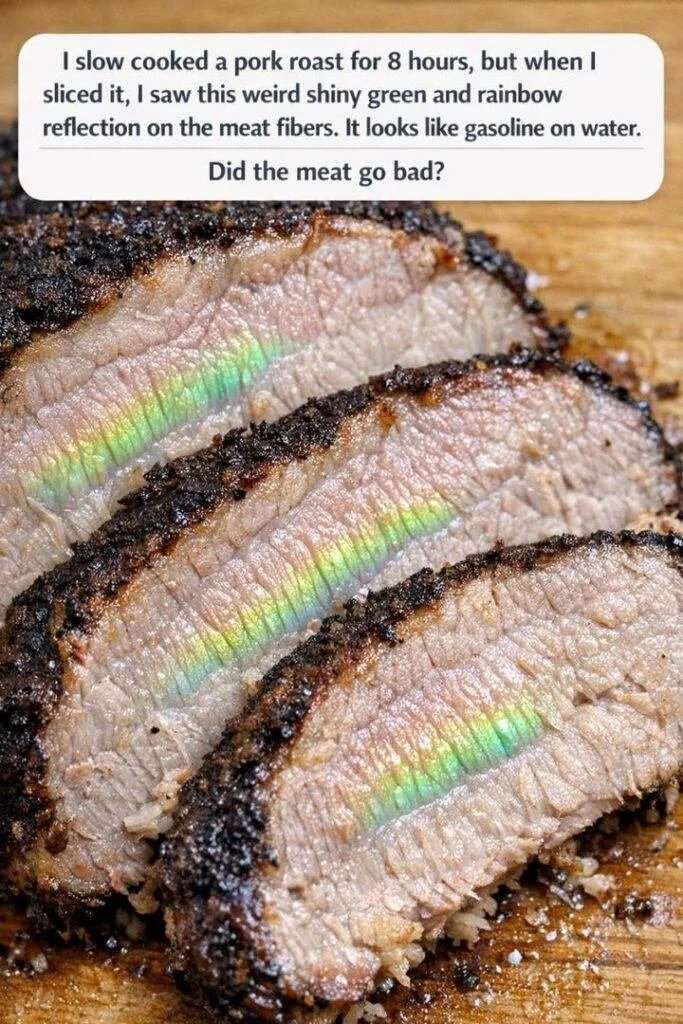
Have you ever peered into your slow cooker only to be met with a rainbow of unexpected colors reflecting off your perfectly braised pork roast? Maybe there’s a twinge of green or even shades that sparkle under the kitchen light. It’s a sight that can lead to panic: Is the meat bad? Is it safe to eat? You’re not alone in your concern—many home cooks encounter this bewildering phenomenon. But fret not! Let’s unravel this color mystery together.
Why This Works
Understanding the science behind color changes in meat can provide you with peace of mind and even enhance your culinary knowledge. When you know what’s happening in your slow cooker, you can confidently serve your mouth-watering pork roast to family and friends without a second thought.
The Science Behind Color Changes
Myoglobin and Color Variations: The primary reason your pork may show unusual colors is due to myoglobin, a protein found in muscle tissues that affects its hue. As myoglobin breaks down during the cooking process, it can produce a range of colors from purples to greens.
Chemical Reactions with Cooking Tools: Sometimes, the metals in your slow cooker can react with the natural juices of the meat, leading to discoloration. Iron, copper, or aluminum pots can induce oxidation, changing the color of your pork roast. Clean your cookware thoroughly to mitigate this issue.
Cooking Techniques: Slow cooking at low temperatures over an extended period can also cause myoglobin to oxidize differently compared to quicker cooking methods. This isn’t a sign that the meat is bad; it’s simply a natural reaction!
Is the Meat Safe?
This brings us to the crux of your concern: Is the meat still good to eat? Generally, if the pork has been stored properly before cooking, cooked to the correct internal temperature (145°F or 63°C), and doesn’t exhibit any off smells or slimy textures, it is perfectly safe to eat, despite the coloring.
- Visual Check: Look for any signs of spoilage. If your meat smells fresh and has the right texture, rest easy.
- Check for Cooking Temperature: Always use a meat thermometer to ensure your pork has reached the appropriate internal temperature, as this guarantees safety.
Tips for Avoiding Discoloration in the Future
While color changes aren’t a health concern, there are ways to minimize their occurrence:
Use Quality Cookware: Opt for ceramic or stainless-steel slow cookers, which don’t respond chemically with the meat.
Marinate Before Cooking: Marinating your pork with acidic ingredients like lemon juice or vinegar can help maintain its vibrant color.
Avoid Overcrowding: In the slow cooker, give your pork roast enough room to breathe for even cooking and to reduce color changes.
Add Vegetables Early: If you’re cooking with vegetables, add them at the beginning so they can help mitigate color changes as they release moisture.
Expected Results
By understanding these points, you can preserve the integrity and visual appeal of your slow-cooked pork roast. Plus, you’ll boost your confidence in the kitchen, ensuring every meal is a joyful occasion rather than a source of anxiety.
Extra Tips
- Storing Leftovers: Cool the roast quickly and store in an airtight container once it has reached room temperature. This helps maintain the meat’s quality.
- Reheating Properly: When reheating, ensure the meat reaches 165°F (74°C) to ensure safety.
Conclusion
Ultimately, rainbow reflections and the occasional green hue in your slow-cooked pork roast are part of cooking chemistry and not a cause for alarm. With the right knowledge and cooking practices, you can enjoy delicious, safe meals that are both visually appealing and satisfying. So next time you see those colors, remember—you’re not serving bad meat; you’re creating a culinary adventure. Enjoy your cooking!