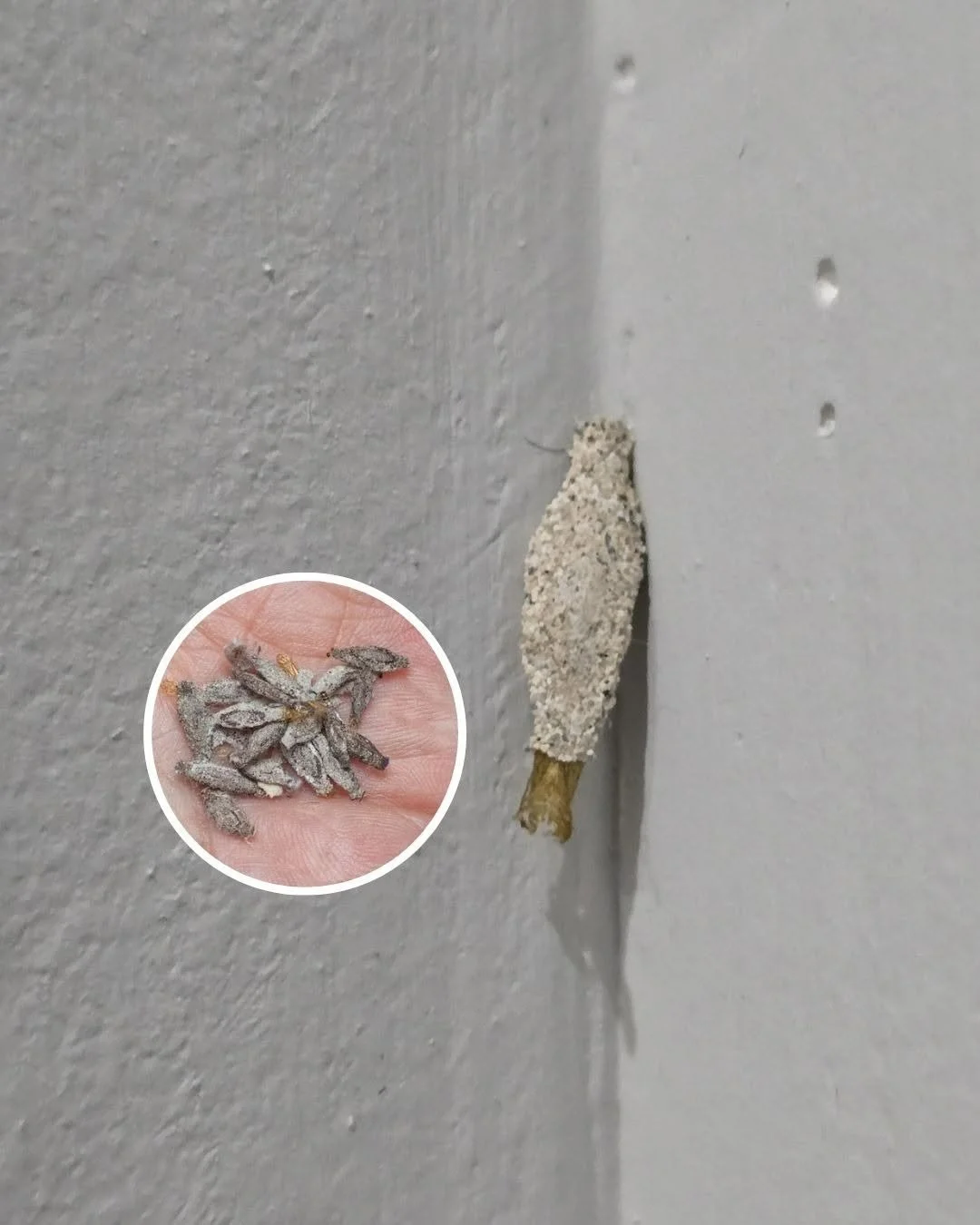
Regularly Inspect Your Home Walls for Insects: Protect Your Space!
Did you know that the walls of your home can silently host unwanted guests? Insects can creep into your living space, leading to damage and potential health risks. The good news is that regular inspections can help you catch these invaders before they become a bigger problem.
Why This Works
By routinely checking your walls for signs of insects, you not only protect the integrity of your home but also contribute to a healthier living environment. Many pests can go unnoticed until it’s too late, turning a small nuisance into a costly ordeal. With just a little time and attention, you can safeguard your home and maintain your peace of mind.
Signs of Insect Infestation
To effectively inspect your walls, look out for these telltale signs of insect activity:
Droppings: Small black or brown specks can indicate various insects are present. Cockroach droppings, for example, resemble coffee grounds.
Holes or Tunnels: Check for tiny holes that could indicate pests like termites or wood-boring beetles. They can create tunnels within the wood, leading to structural damage.
Wings or Sheddings: Seeing discarded wings or skin can signal that insects, such as termites or cockroaches, are residing near your walls.
Sounds: Sometimes you might hear scratching or chirping noises within the walls. This is a clear signal that something is lurking inside.
Stains or Discoloration: Water stains or discoloration on the walls often indicate moisture build-up, which can attract pests. Look closely at any damp areas.
Step-by-Step Inspection Guide
Regular inspections can save you from larger pest-related problems. Here’s how to thoroughly check your home:
Choose a Time: Set aside a specific time each month for your inspection. Early morning or late evening can be good when insects are more active.
Gather Tools: You will need a flashlight, a magnifying glass, and a notepad to record your findings.
Check Exterior Walls: Start with outside walls. Look for cracks, gaps, or signs of damage that may allow insects to enter.
Inspect Interior Walls: Use your flashlight to scan each room, particularly around corners and baseboards. Note any damage.
Look in Hidden Spaces: Check behind furniture, appliances, and inside cabinets. These areas are often overlooked but can be prime spots for nests.
Take Action: If you find evidence of pests, consider contacting a pest control expert or researching DIY methods to address the issue quickly.
Expected Results
By following these inspection steps, you’ll not only be proactive in keeping insects out but will also develop a habit of preventive maintenance. This routine can lead to a cleaner, safer, and more comfortable home environment.
Extra Tips
Seal Entry Points: After your inspection, ensure all cracks and gaps are sealed to prevent future invasions. Use caulk or appropriate fillers for effective sealing.
Maintain Cleanliness: Regular cleaning eliminates food particles that attract insects. Pay particular attention to kitchens and dining areas.
Monitor for Changes: Keep a log of findings from your inspections. Notice any patterns, such as increased activity during certain seasons, which can help you prepare better.
Conclusion
Regularly inspecting your home walls for insects is an essential habit for every homeowner. Not only does it prevent potential damage and costly repairs, but it also fosters a healthier living space for you and your family. By being proactive, you can enjoy greater peace of mind and create a welcoming atmosphere in your home. So grab your flashlight, schedule your inspections, and take control of your living environment today!