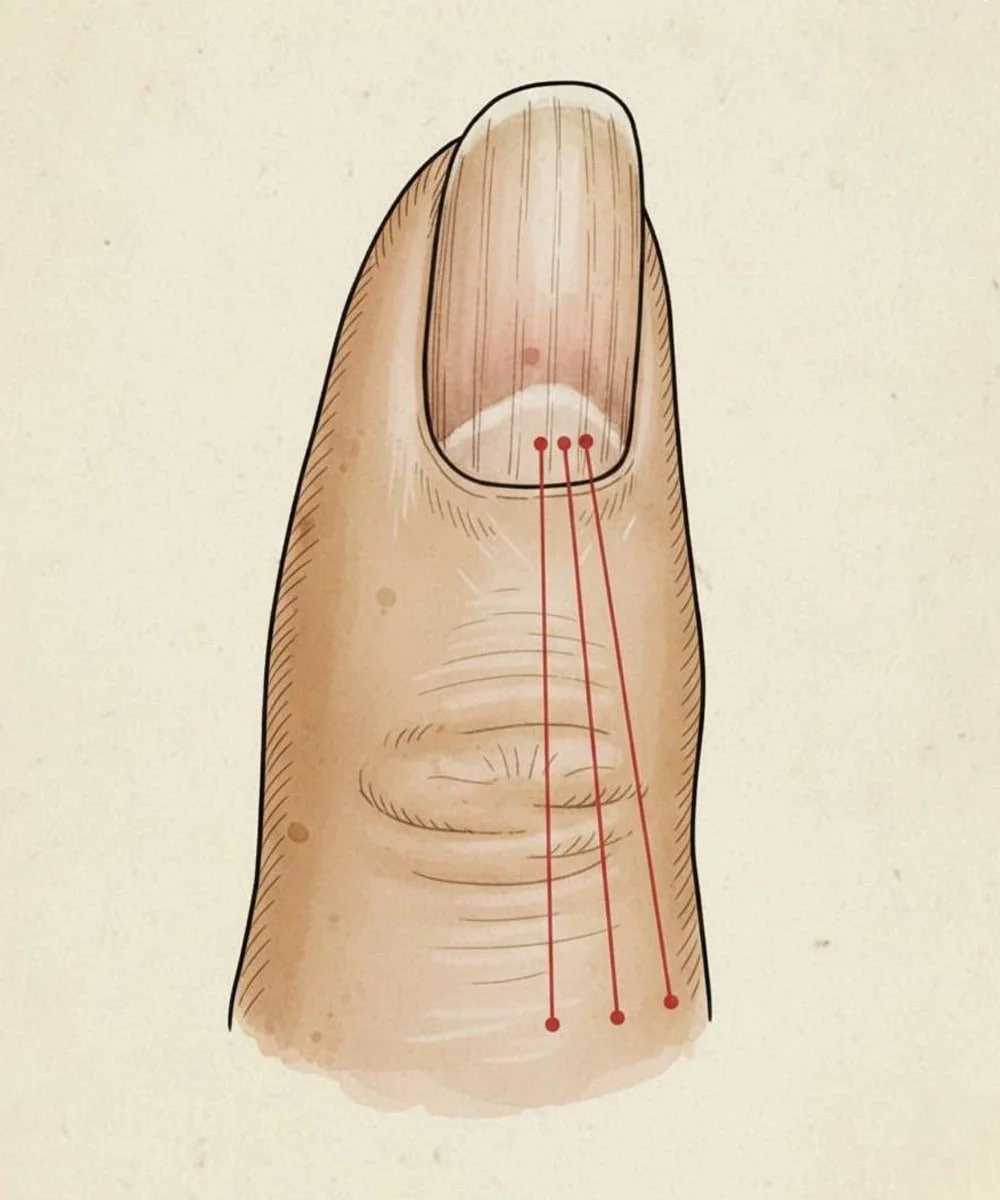
Nail Lines: When to Pay Attention to Changes in Your Nails
Have you ever noticed something unusual about your nails and brushed it aside as a simple cosmetic concern? You’re not alone! Many people ignore the signs their nails give them, but those changes can be critical clues about your overall health. Understanding when to pay attention to your nails not only helps you keep your grooming in check but can also alert you to potential health issues.
Why This Works
Nail changes can serve as a window into your body’s health. They can indicate nutritional deficiencies, infections, and even chronic illnesses. Being informed about what your nails are telling you can give you an edge in identifying issues before they become more serious. Plus, knowing what to look for enables you to seek advice or treatment in a timely manner.
Common Nail Changes to Watch For
White Spots: Often associated with minor injuries, these spots usually aren’t a cause for concern. However, if they’re widespread, they could signify a zinc deficiency or other nutrition-related issues.
Brittle Nails: If your nails have become weak and start breaking easily, it might be due to excessive hand washing, exposure to harsh chemicals, or a lack of certain vitamins in your diet, like biotin.
Color Changes: Yellow or brown nails can indicate fungal infections, while bluish nails can signal circulatory issues. A sudden change in color warrants a doctor’s visit.
Striations or Ridges: Vertical ridges are usually benign, but deep horizontal grooves may be linked to illnesses or severe stress.
Curved or Clubbed Nails: Nails that curve downwards can be a sign of lung disease, while clubbing (where the nails look bulbous) may be linked to several serious medical conditions.
Pitting: Small depressions or pits in the surface of the nail often relate to psoriasis or other skin conditions.
Separation from the Nail Bed: If your nail starts to lift away from the nail bed, this can lead to infections. It’s often a sign of trauma but can also arise from fungus.
Step-by-Step Guide to Nail Care
Inspect Your Nails Regularly: Set aside time each week to check for any changes. This allows you to identify potential issues early.
Maintain Proper Hygiene: Keep your nails clean and dry. Moisture can lead to fungal infections.
Use Gentle Products: Avoid harsh chemicals in nail polish removers and cleaning products to reduce brittleness.
Moisturize: Apply hand lotion and cuticle oil to keep your nails and surrounding skin hydrated.
Watch Your Diet: Ensure you consume enough vitamins and minerals through a balanced diet. Consider supplements if you’re lacking in essential nutrients.
Expected Results
By regularly monitoring your nails and addressing any changes, you can gain insight into your dietary needs and overall health. You’ll feel empowered to discuss these changes with your doctor, ensuring timely interventions and maintaining your well-being.
Extra Tips
- Keep a Nail Diary: Track any changes you observe in your nails along with your diet, health, and any stressors in your life. Patterns may emerge that can provide guidance for discussion with your healthcare provider.
- Limit Nail Products: Avoid overuse of nail polish and artificial nails, as they can weaken your natural nails over time.
Conclusion
Your nails can be more than just a beauty statement—they’re an important indicator of your health. By paying attention to changes in your nails, you can catch potential health issues early and maintain a proactive approach to your overall well-being. Remember, healthy nails are a reflection of a healthy body! So, take a moment to check your nails today; they might have something important to tell you.